Sleep looks simple from the outside.
A dark room. Closed eyes. A quiet body. Hours passing while the world goes on without us.
But inside, sleep is architecture.
It is rhythm, repair, memory, hormones, recovery, emotional processing, metabolism, and timing. It is one of the body’s most powerful systems for rebuilding itself, and one of the first things modern life disrupts.
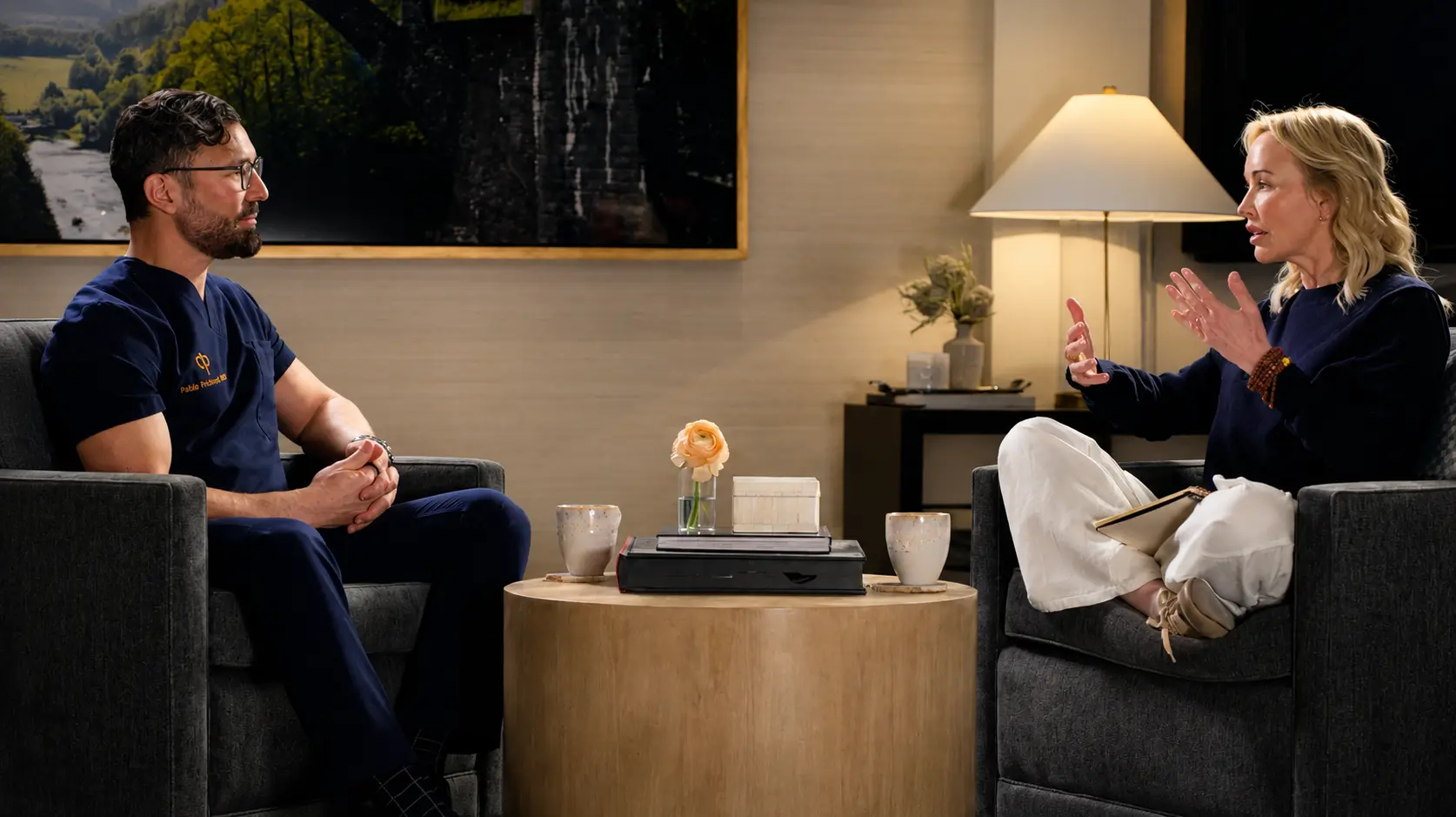
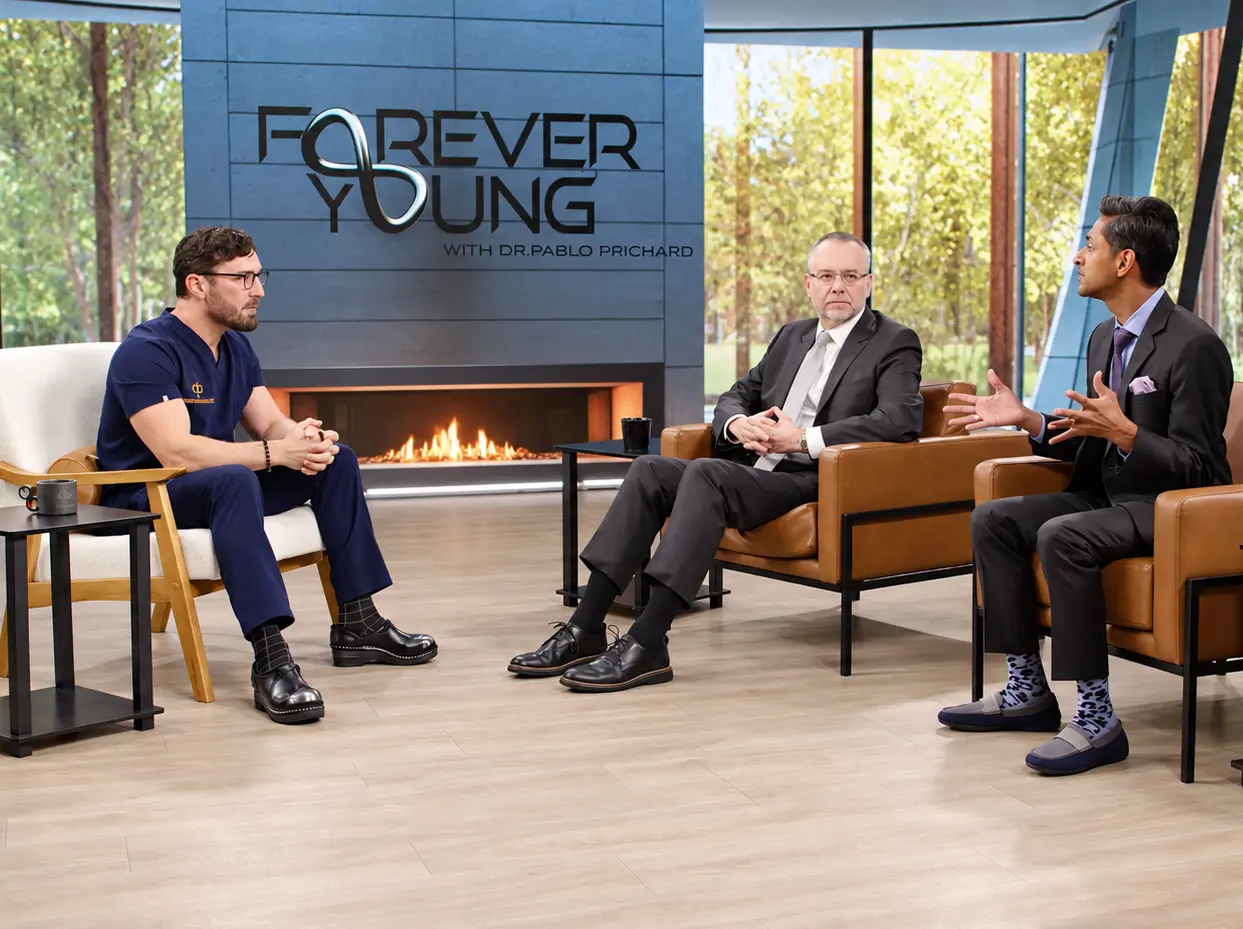
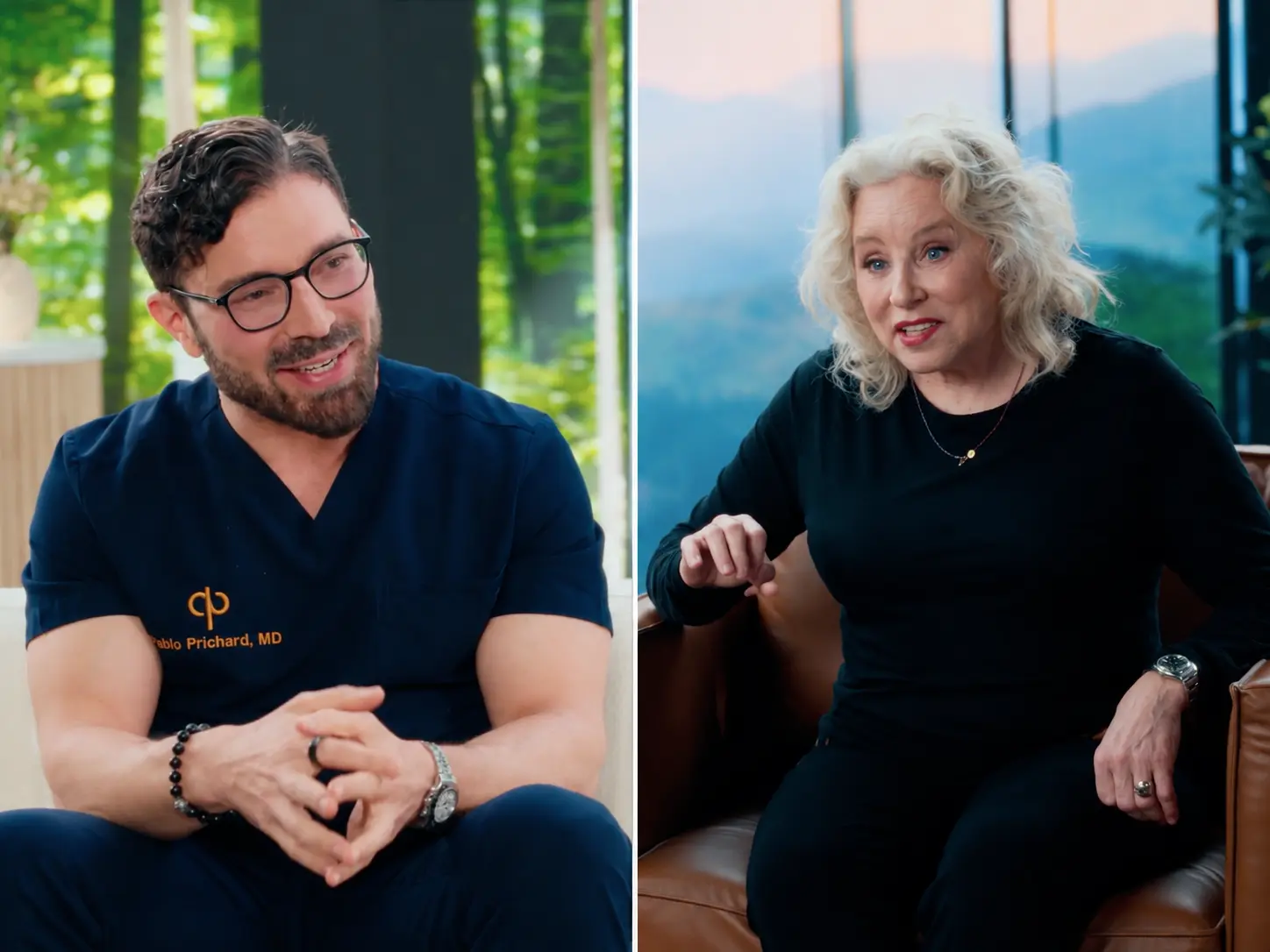
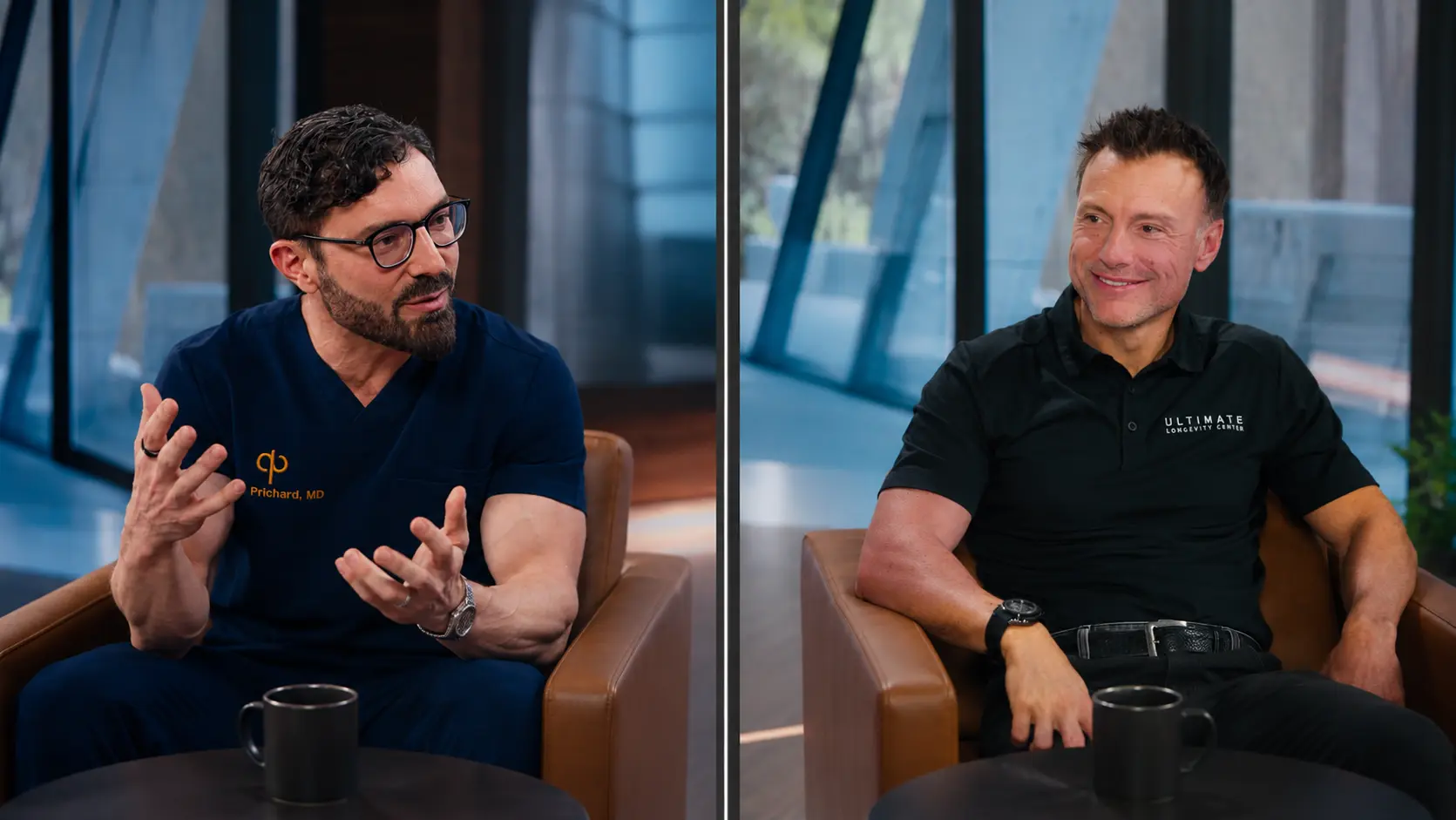
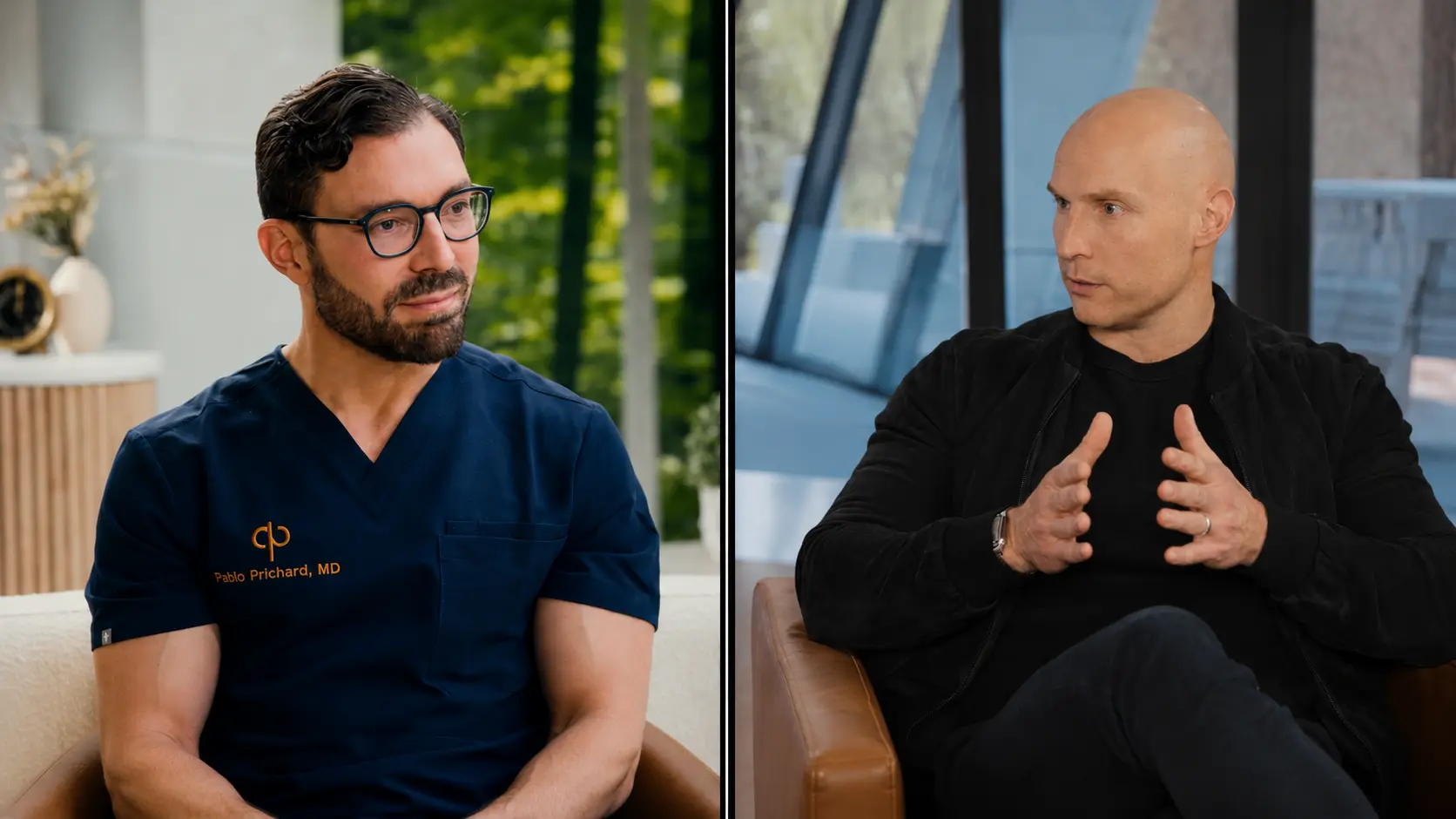
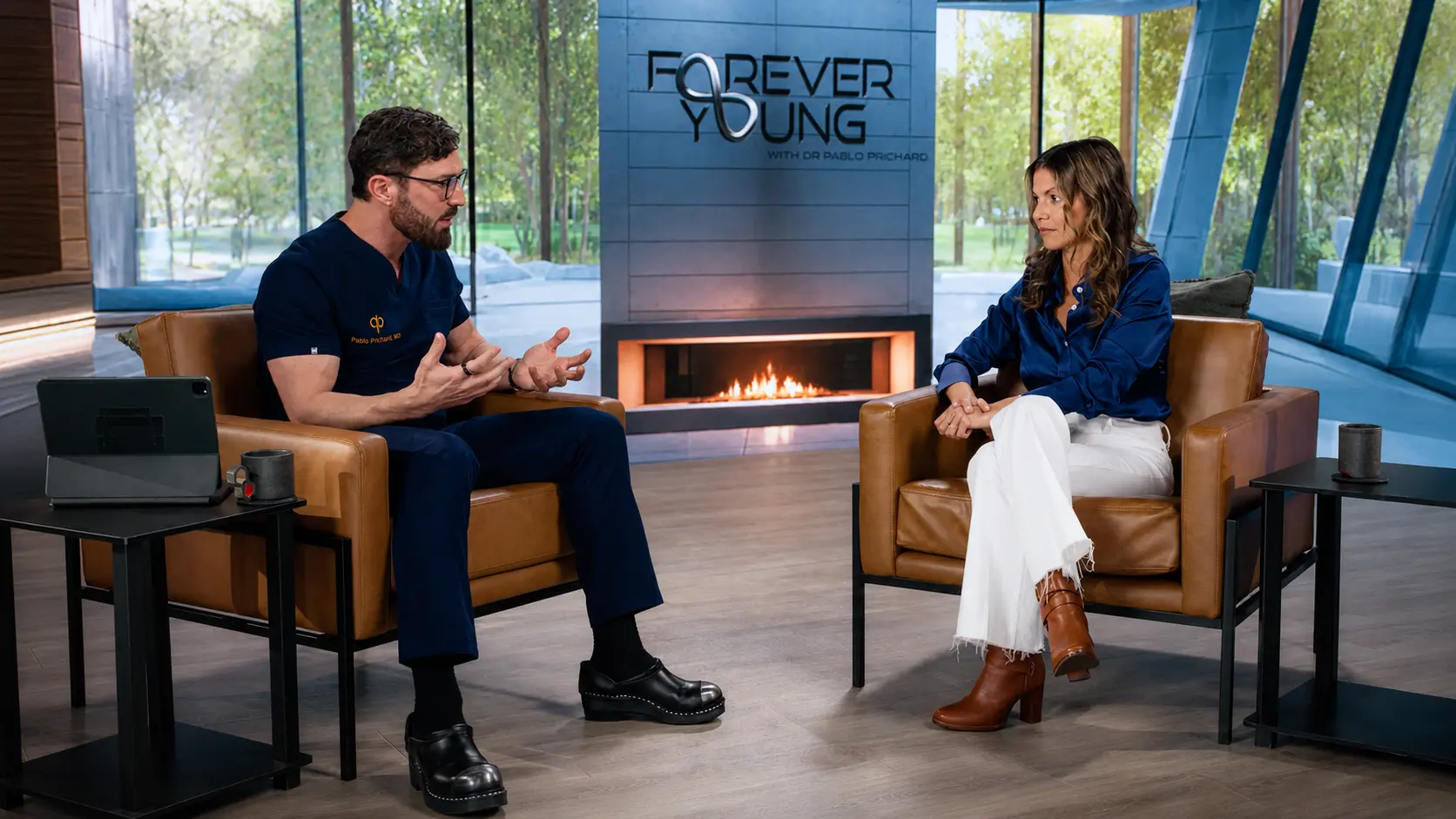
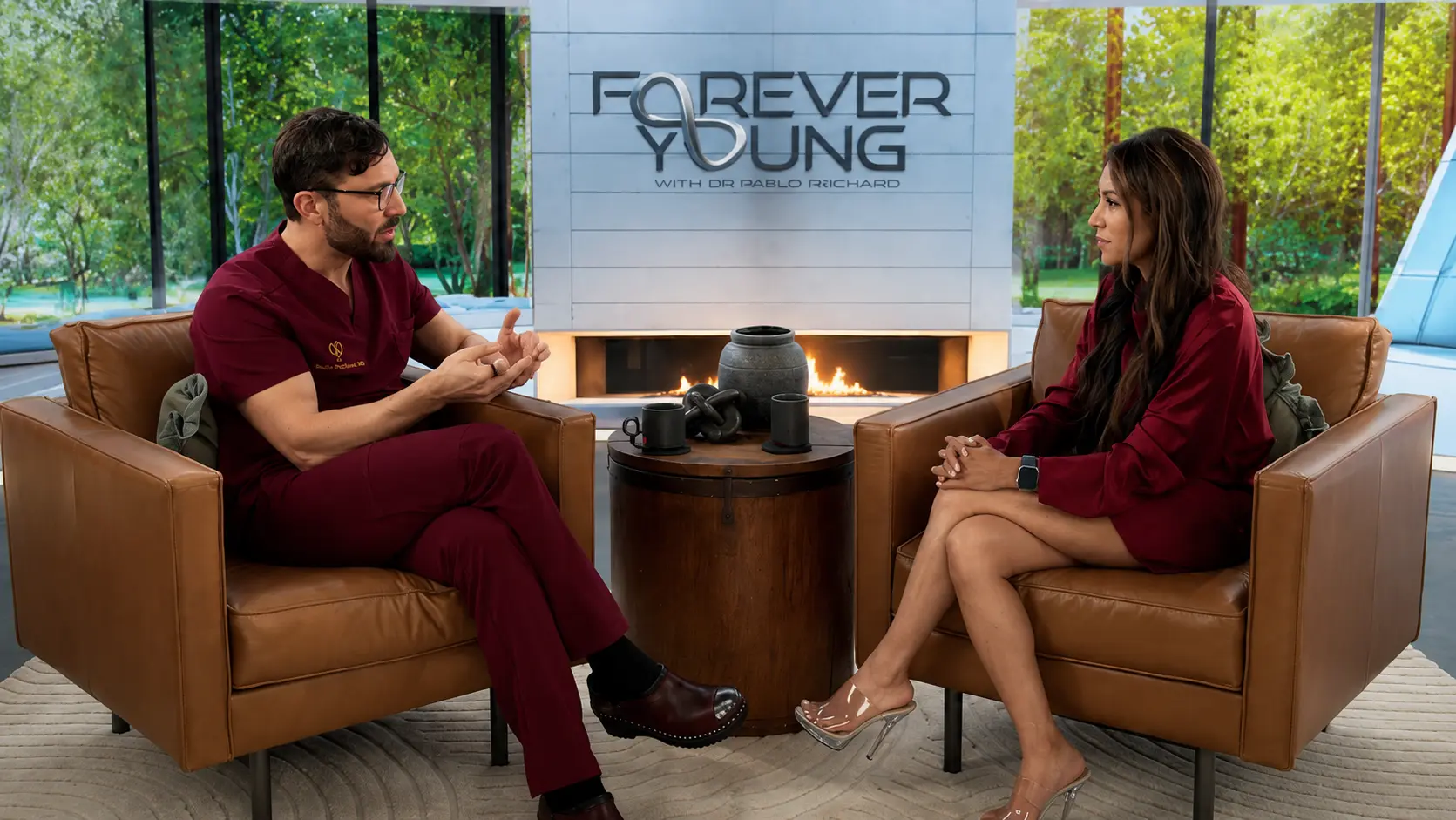
This special episode of Forever Young with Dr. Pablo Prichard brings Dr. Pablo together with Dr. Michael Breus, a clinical psychologist and double board-certified sleep specialist, to unpack what sleep really is and why it matters so deeply for aging, health, and performance.
Because sleep is not just what happens when the day ends.
It shapes who we become tomorrow.
Sleep Is Not Passive
Most people think of sleep as the opposite of being awake.
Dr. Breus pushes back immediately. Sleep may look passive, but it is far more complex. The body does not simply turn off. It moves through organized biological systems designed to restore the brain, repair the body, process emotion, and prepare us for the next day.
At the center are two major forces.
Sleep drive and sleep rhythm.
Sleep drive works like hunger. The longer we go without sleep, the stronger the pressure becomes. Dr. Breus explains that as cells use energy throughout the day, adenosine accumulates in the brain. As that adenosine builds, we become sleepier and sleepier.
Sleep rhythm is the body’s timing system. The circadian rhythm tells us when sleep should happen. For most people, that natural window arrives at night, when light fades and the body begins preparing for rest.
When sleep drive and sleep rhythm line up, sleep comes more naturally.
But when either one is off, the result can be insomnia, restless nights, poor recovery, brain fog, mood swings, or what Dr. Breus calls disordered sleep: not always a formal diagnosis, but still a body that does not feel right.
The Clock and the Pressure
Dr. Pablo connects Dr. Breus’ explanation to one of the season’s most visual case studies: Hall of Fame drummer Gina Schock.
Gina’s life was built around rhythm, but her sleep rhythm had fallen out of sync. Late-night performance energy, screens, travel, stress, and years of rock-and-roll timing kept her body activated when it needed to shut down.
Her circadian rhythm said sleep.
Her body said go.
That mismatch is the problem so many people face, even without a tour schedule. Modern life keeps refilling the energy tank at the exact moment it should be draining. Late-night scrolling, stressful conversations, food too close to bedtime, bright light, and irregular routines all confuse the system.
When the clock and the pressure no longer work together, sleep stops feeling automatic.
Repair slows.
Hormones drift.
Inflammation rises.
The biology of aging can accelerate.
The body can recover its rhythm, but it needs the right signals repeated over time.
The Stages That Rebuild Us
Dr. Breus then breaks sleep down into its architecture.
Light sleep.
Deeper light sleep.
Slow wave sleep.
REM sleep.
Each stage has a role.
Slow wave sleep, also called deep sleep, is where physical restoration happens. It is the “wake up and feel great” stage, and it is front-loaded in the night, with more of it happening in the first three hours than later on. Dr. Breus explains that deep sleep is also when the body receives its largest release of growth hormone, making it essential for physical repair and aging well.
REM sleep is different.
During REM, the brain becomes highly active, the body is temporarily paralyzed so we do not act out dreams, and the mind processes memory, emotion, and creativity. Dr. Breus calls dreams “emotional metabolism,” a way the brain works through feeling and experience.
Deep sleep restores the body.
REM sleep restores the mind.
If either one is missing, the person may sleep for hours and still wake up feeling incomplete.
Chronotypes and the Body’s Timing
The episode also explores circadian rhythm beyond bedtime.
Dr. Breus explains that the body has hundreds of circadian rhythms. Skin has rhythm. The cardiac system has rhythm. Hormones, metabolism, immune function, and even the eyes all follow timing cues. At the center is the suprachiasmatic nucleus, the body’s master clock, sending signals like a station coordinating trains.
When one train runs late, the whole station can back up.
That is what happens when sleep timing falls out of sync.
Chronotypes help explain why not everyone functions best on the same schedule. Some people are early birds. Others peak later. When a person understands their chronotype, they can better time activities around their natural biology: exercise, meals, work, focus, and recovery.
That is the practical power of sleep science.
Sometimes performance improves not because you changed what you do, but because you changed when you do it.
Light, Food, Stress, and Screens
Dr. Breus and Dr. Pablo also identify the everyday forces that shape sleep.
Light is one of the biggest. Morning sunlight helps anchor the circadian rhythm. Artificial light at night, especially screens, can delay melatonin and keep the brain stimulated when it should be winding down.
Exercise can affect circadian timing too. Meal timing matters. Stress matters. Hydration matters. Breathing matters. Even a warm bath before bed can help some people by raising core body temperature so it drops at the right time for sleep.
The lesson is not that sleep depends on one trick.
It depends on repeated signals.
The body needs to know when the day begins, when digestion should stop, when stimulation should fade, and when the room is safe for repair.
Gina’s Nighttime Rebuild
Gina’s flashback sequences turn those principles into action.
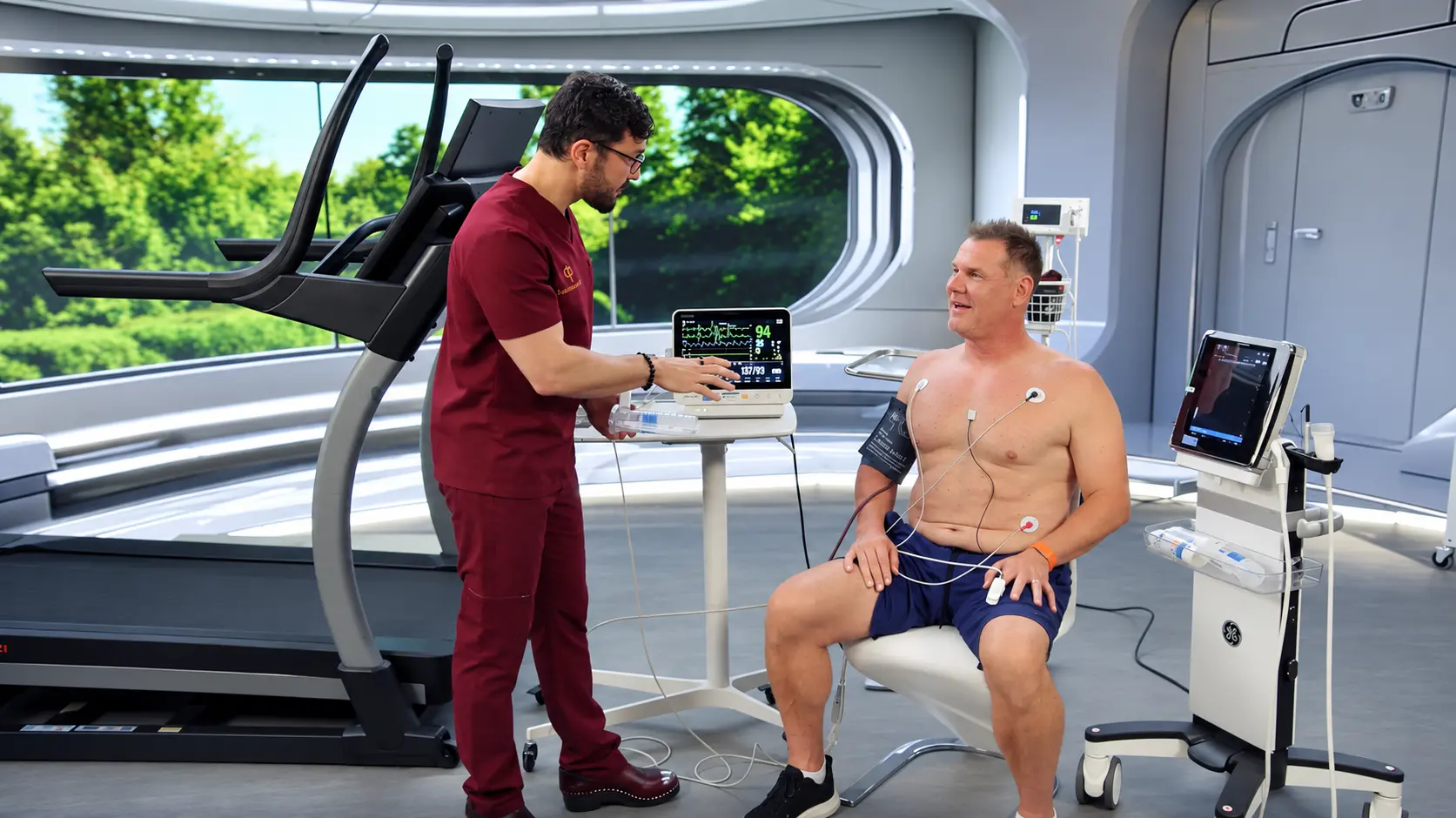
Dr. Pablo visits her hotel room and begins rebuilding the conditions around sleep. Late-night snacks are removed because digestion too close to bedtime can interfere with recovery. Screens are replaced with a book because scrolling keeps the mind chasing dopamine. The room is cooled to 68 degrees and made dark. Her usual sleep apnea device, blackout eyewear, and neck support are included. Sleep technology is added to help guide her brainwaves away from a wired state and toward rest.
The next morning, Dr. Pablo takes Gina outside.
Sunlight becomes medicine for timing.
Morning light within about 30 minutes of waking helps tell the body that the day has started. That signal helps organize the circadian rhythm, and 12 to 14 hours later, it helps the body move back toward sleep.
The nighttime routine matters.
But the architecture of sleep begins in the morning.
The Myths That Keep Us Tired
The episode closes by challenging common sleep myths.
Myth: I can function fine on five hours of sleep.
The body can adapt to feeling tired, but that does not mean the brain and body are performing or repairing optimally. Chronic sleep loss can affect memory, recovery, focus, metabolism, and long-term health.
Myth: watching TV or scrolling helps me fall asleep.
It may feel relaxing, but late-night screen exposure can delay melatonin and keep the body stimulated, making it harder to transition into deeper sleep.
Myth: snoring is harmless.
Frequent snoring may sometimes point to sleep apnea, which can interrupt breathing, reduce oxygen, fragment sleep, and place stress on the body over time.
These myths matter because sleep is often the first thing people sacrifice and the last thing they protect.
But sleep is not optional maintenance.
It is the nightly rebuild.
What This Episode Leaves You With
Sleep is not a single habit.
It is a system.
A clock. A pressure. A sequence of stages. A relationship with light. A response to stress. A rhythm shaped by food, hydration, movement, temperature, screens, breathing, and routine.
Dr. Pablo and Dr. Breus show that better sleep begins with understanding that system. The goal is not simply to get more hours. It is to help the body enter the right rhythm, move through the right stages, and wake with the kind of restoration that supports health from the inside out.
Gina’s story makes the science visible. Her life as a drummer becomes a perfect metaphor for sleep itself. When the beat is off, everything feels harder. When the timing returns, the whole system has a chance to come back into sync.
Sleep may look like rest.
But it is renewal.
Watch this episode of Forever Young with Dr. Pablo Prichard on NBC to see how Dr. Pablo and Dr. Michael Breus break down the architecture of sleep, why circadian rhythm and sleep pressure matter, and how protecting your nights may shape the energy, clarity, and biological resilience of your future self.