Cancer is one of the words no family wants to hear.
It can feel like a black box. Sudden. Frightening. Life-changing. A diagnosis that seems to arrive all at once, even though the biological story often began long before anyone knew it was there.
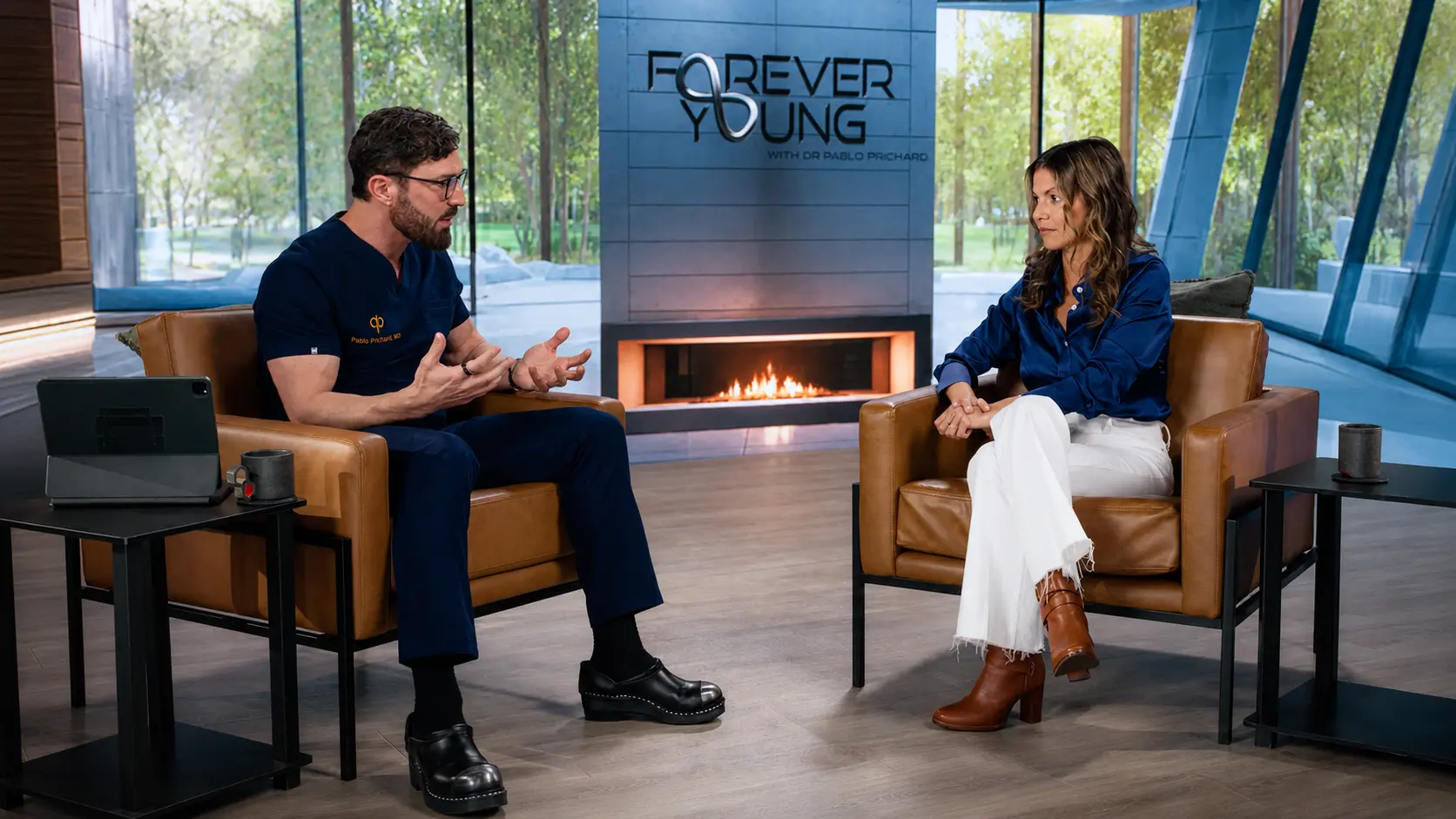
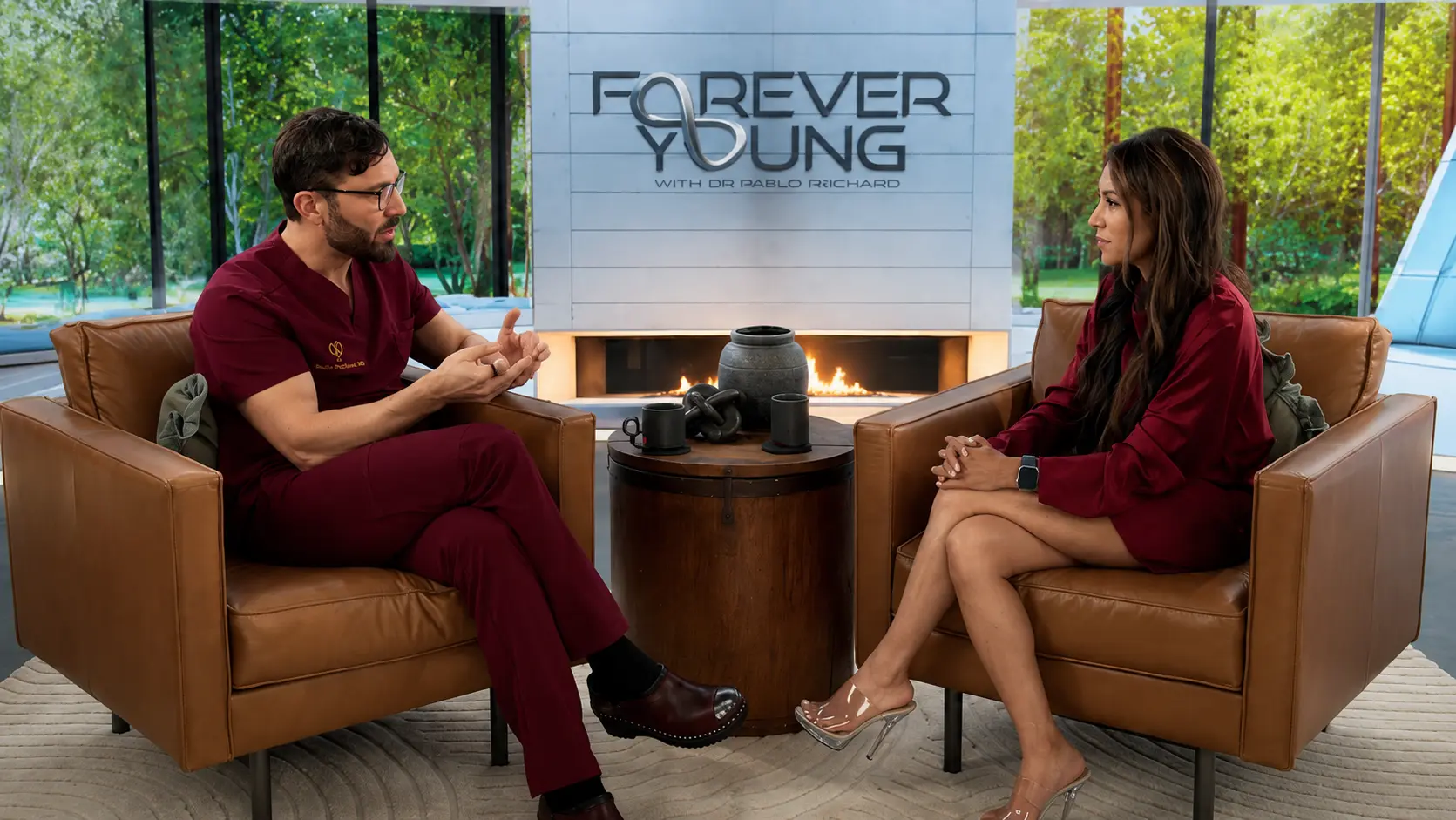
This special episode of Forever Young with Dr. Pablo Prichard revisits some of the series’ most powerful cancer-related moments through a new lens: early detection.
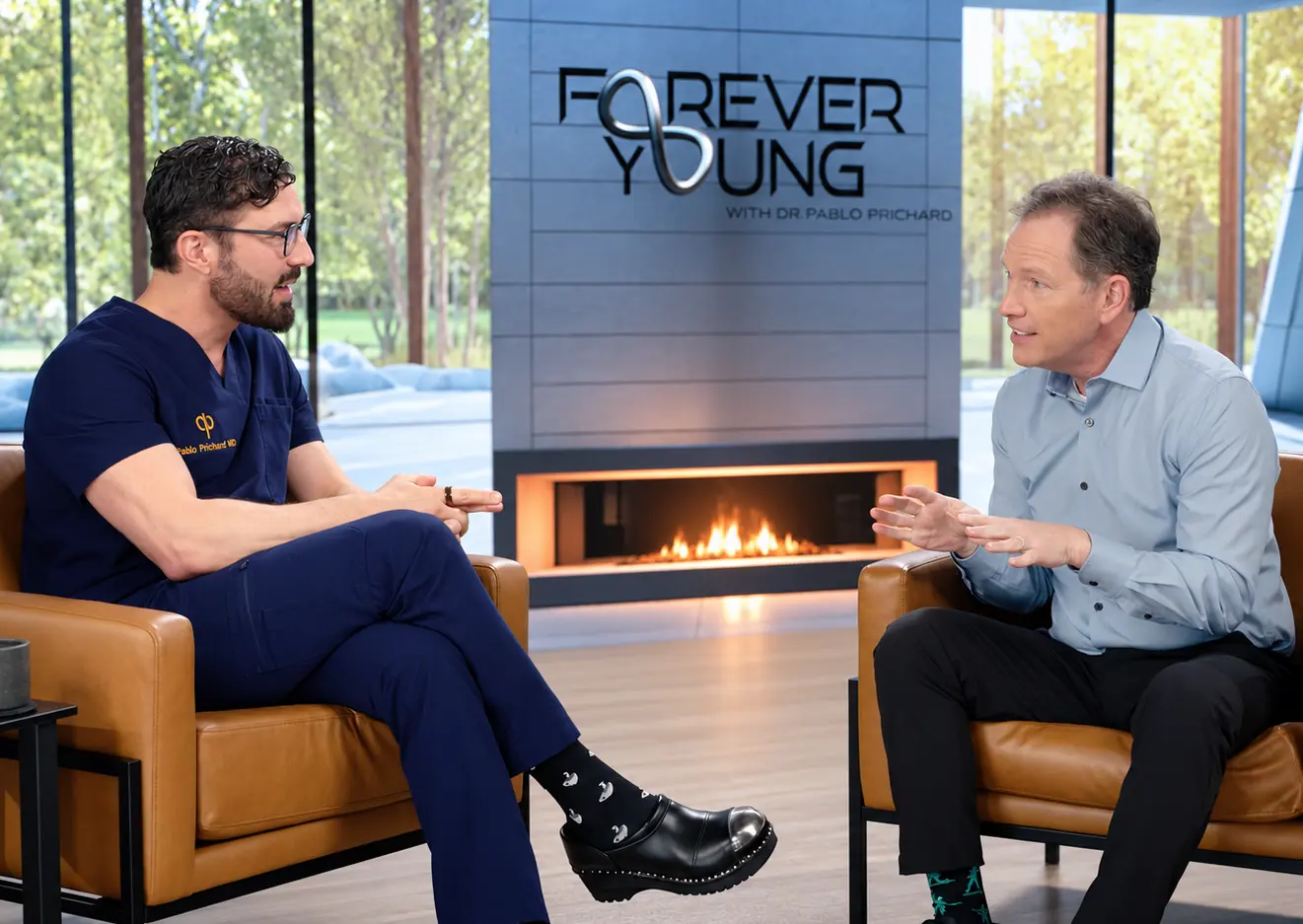
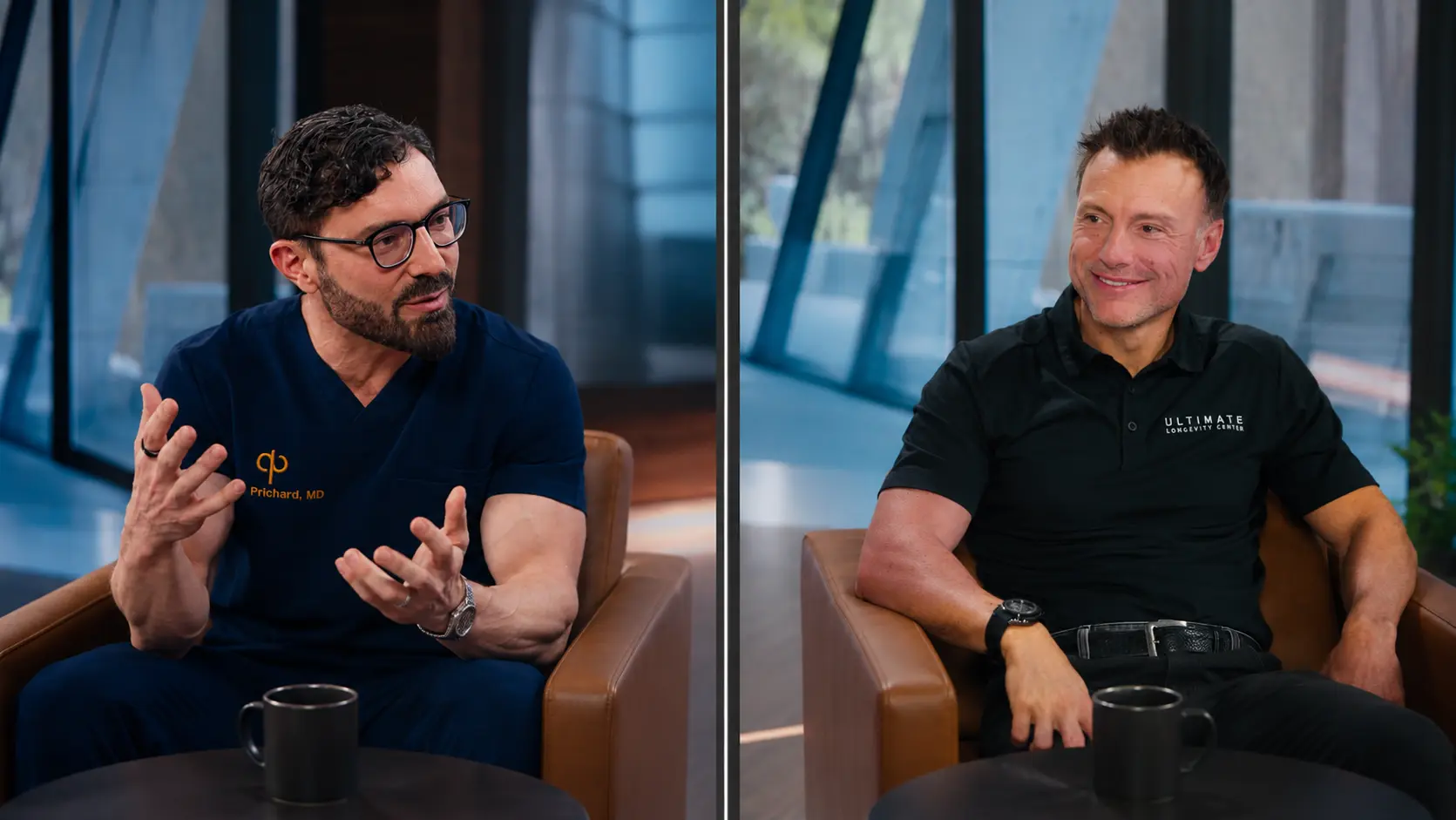
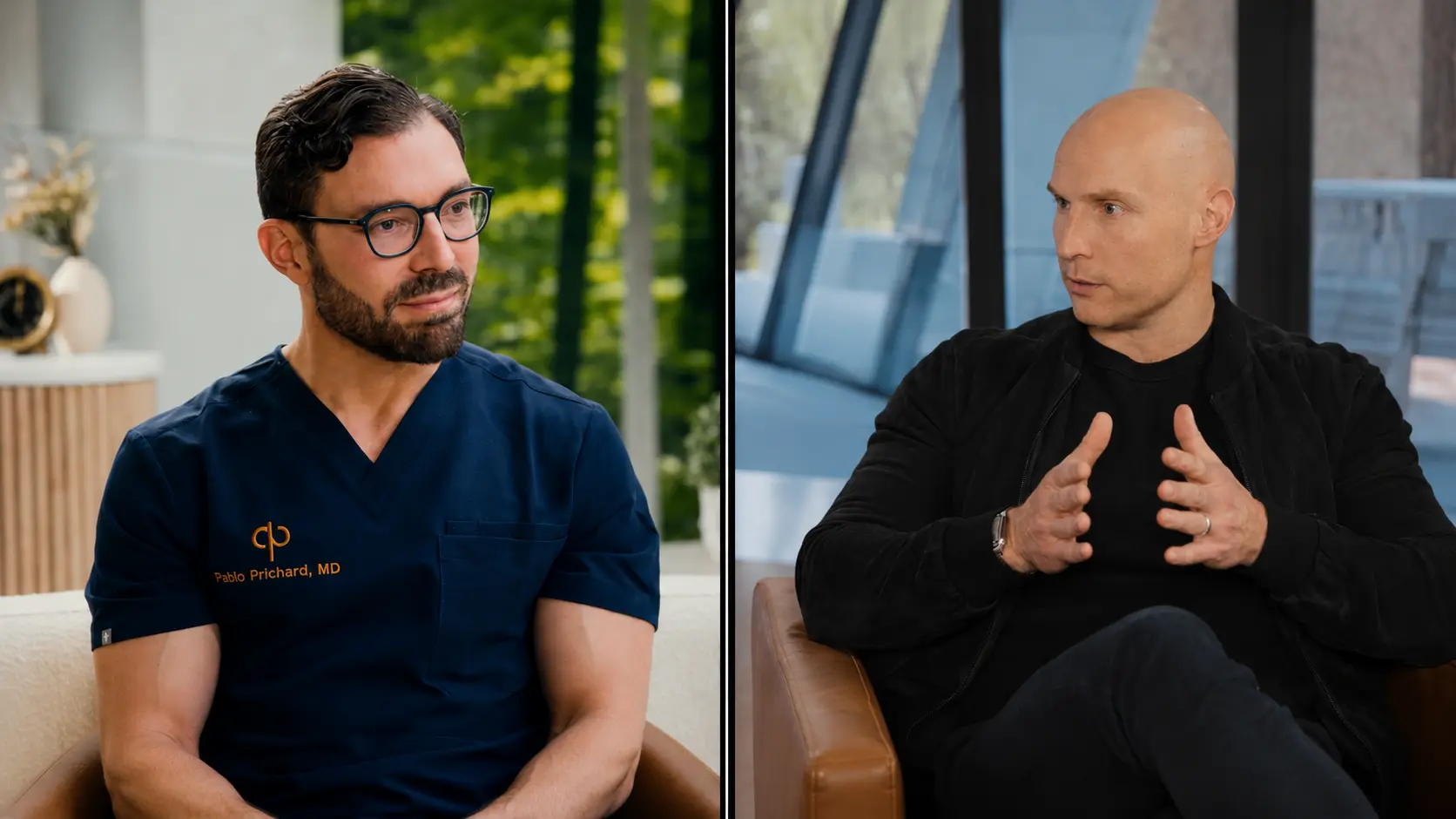
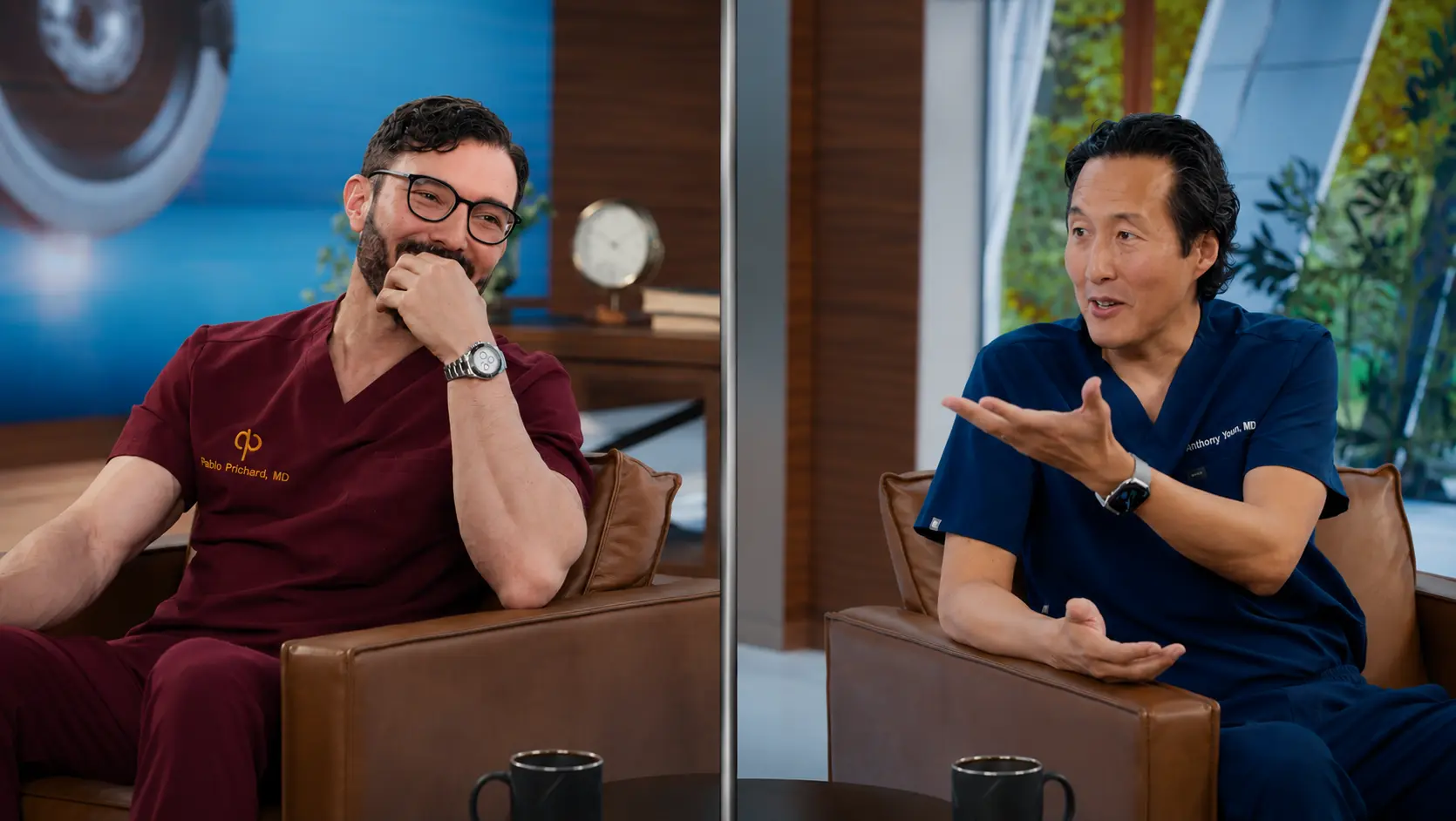
Host Danielle Robb and Dr. Pablo are joined by Dr. Tom Beer and Dr. Neil Gokal from Cancerguard to explore what cancer really is, how it develops, why it can remain hidden for so long, and how new tools in screening and diagnostics may help find disease before symptoms appear.
Because when it comes to cancer, timing can change everything.
What Cancer Really Means
Dr. Pablo begins with the question many people are afraid to ask plainly.
What is cancer?
Dr. Beer explains that, at its core, cancer begins when cells in the body grow and divide uncontrollably. Mutations in a cell’s DNA can cause it to keep multiplying, and over time, those cancerous cells may spread to other parts of the body.
Dr. Gokal adds one of the most important realities in the episode: many people do not have symptoms when the earliest signs of cancer begin.
That is what makes cancer so complex.
It can grow quietly. It can begin before pain. Before a lump. Before fatigue. Before the body sends a signal loud enough to notice.
Dr. Pablo’s visual metaphor turns that idea into something viewers can understand. The body is like a garden. Healthy cells grow, rest, and renew in order. But when one cell goes rogue, it behaves like a weed, stealing sunlight and nutrients, rewriting the environment around it, and spreading until the garden is threatened.
The goal is to catch the weed before it takes over.
Early Detection Changes the Story
Cancer does not always appear overnight.
It can begin as one cell forgetting the rules. One reckless builder in a city. One small problem that the immune system may catch and remove before it ever becomes dangerous.
But when the body misses it, the damage can spread.
That is why early detection matters so much. If cancer is found earlier, there may be more treatment options, better outcomes, and more time to act.
The episode makes a crucial distinction between prevention and detection.
Prevention is about modifying risk where possible: lifestyle, nutrition, movement, exposure, personal history, and family history. Detection is about finding cancer at its earliest stage, especially because risk can never be fully eliminated.
Healthy habits matter.
But healthy habits are not a guarantee.
That is why awareness, screening, and proactive conversations with a doctor all become part of the bigger picture.
The Gap in Traditional Screening
One of the most important points in the episode is how limited routine cancer screening still is.
Recommended screenings are currently available for only a handful of cancers, including breast, cervical, colorectal, and prostate cancer through PSA testing. That leaves many cancer types without routine screening pathways, which means they can sometimes be discovered only after they have progressed.
Dr. Beer and Dr. Gokal explain how multi-cancer testing is designed to help close that gap.
It is not meant to replace standard screenings. Mammograms, colonoscopies, Pap tests, PSA testing, and other recommended care still matter. Multi-cancer testing is designed to complement those existing tools by expanding the reach of screening to additional cancer types, including cancers that may not otherwise be routinely checked.
That difference is important.
This is not about abandoning standard care.
It is about adding information.
A simple blood draw may offer another layer of insight, fitting into busy lives while helping people and physicians ask better questions sooner.
Sabrina’s Moment of Relief
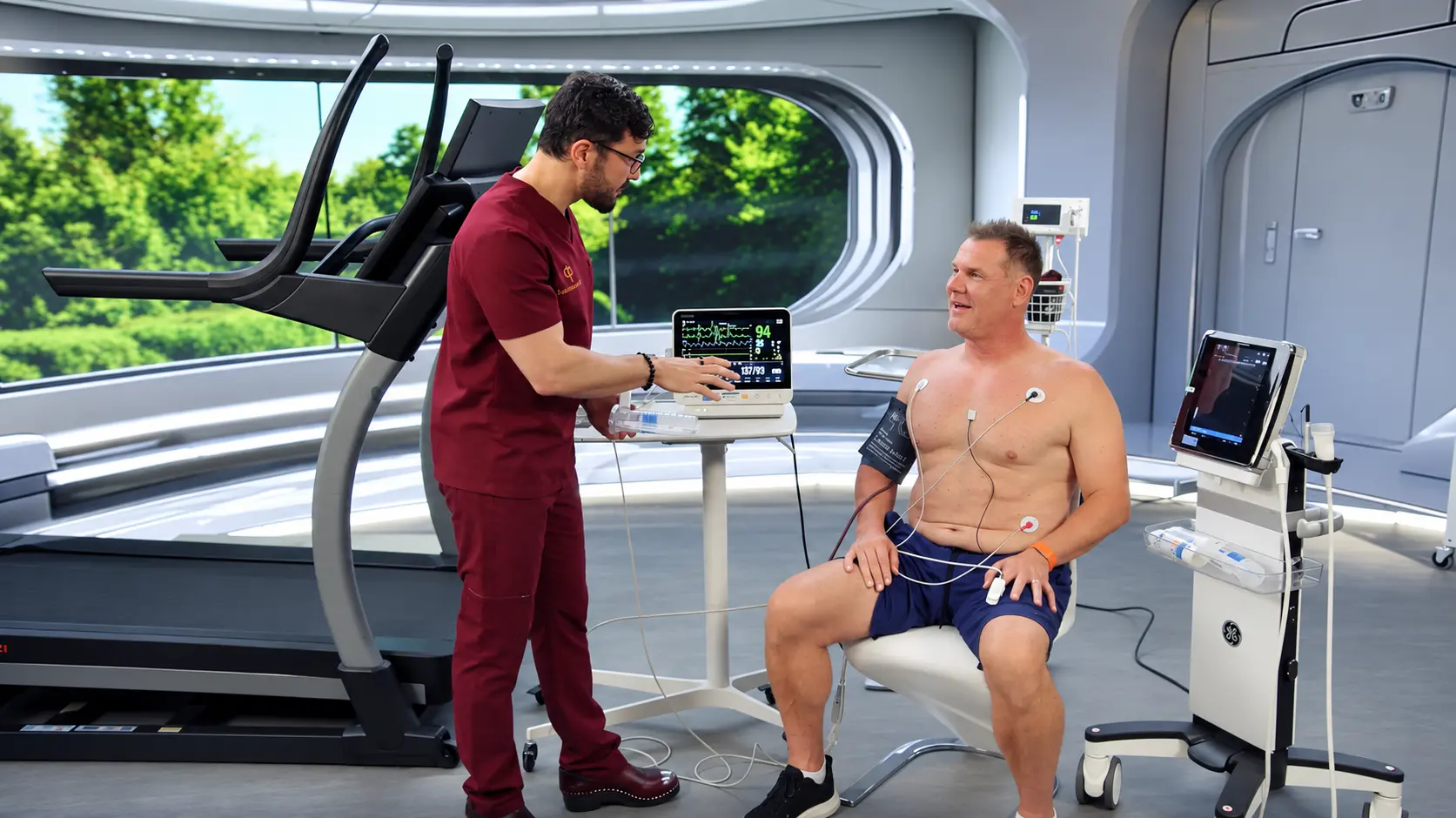
The episode revisits Sabrina Soto, who underwent extensive testing on Forever Young.
For Sabrina, the testing was personal. Every challenge reminded her of her daughter and the future she wanted to protect. As part of her evaluation, Dr. Pablo included a Cancerguard test designed to look on a molecular level for signs of early cancer.
The result brought relief.
No evidence of cancer. No major permanent organ damage. Her heart and brain were in excellent condition.
But the moment also shows why proactive testing can matter. Sabrina’s deeper labs revealed micro-damage that could have accelerated her Wheel of Age if left unaddressed. The cancer screening was one part of a larger picture: understanding the body before problems become bigger.
That is the promise of early detection.
Not panic.
Information.
Danielle Fishel and the Power of Finding It Early
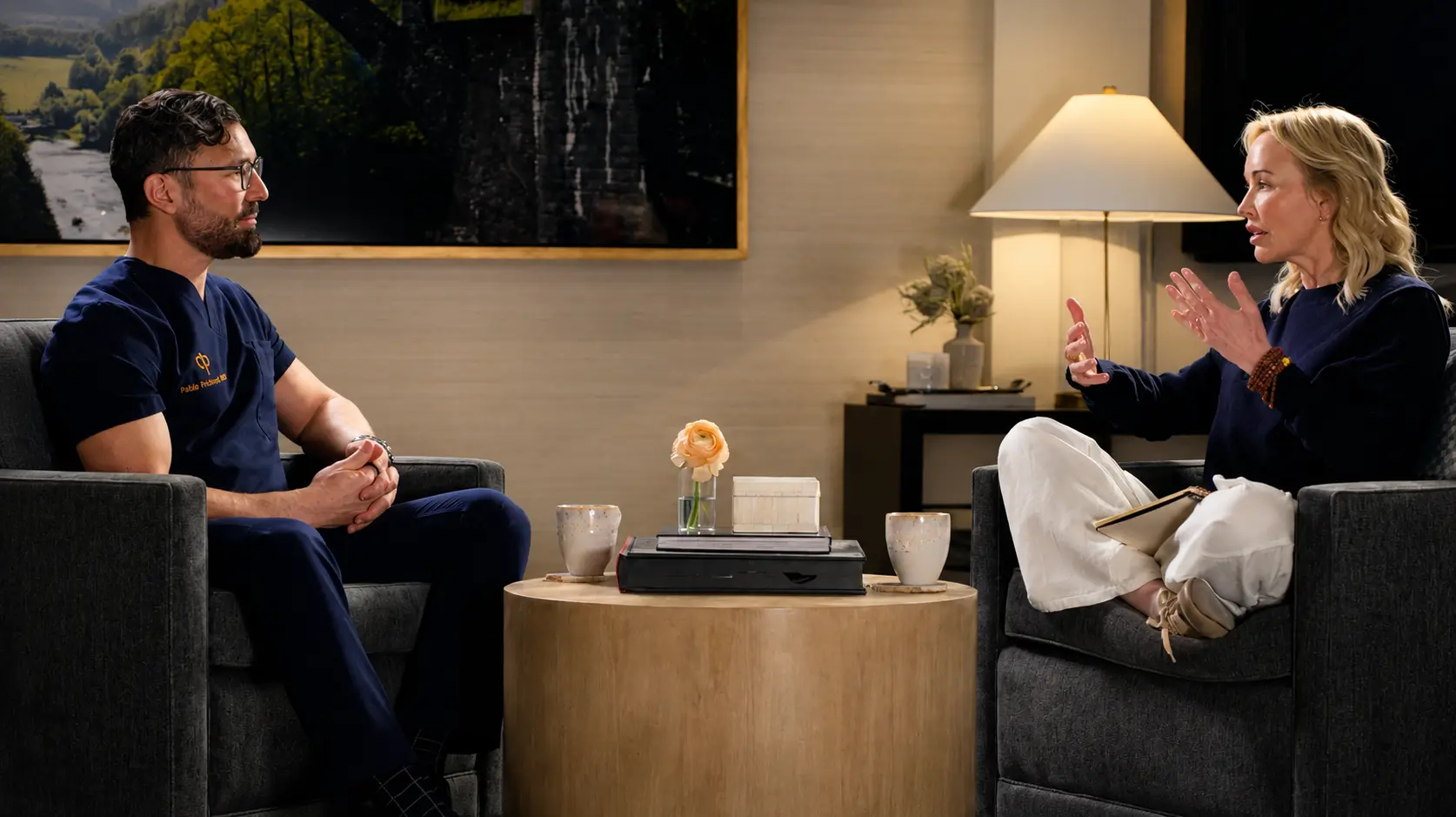
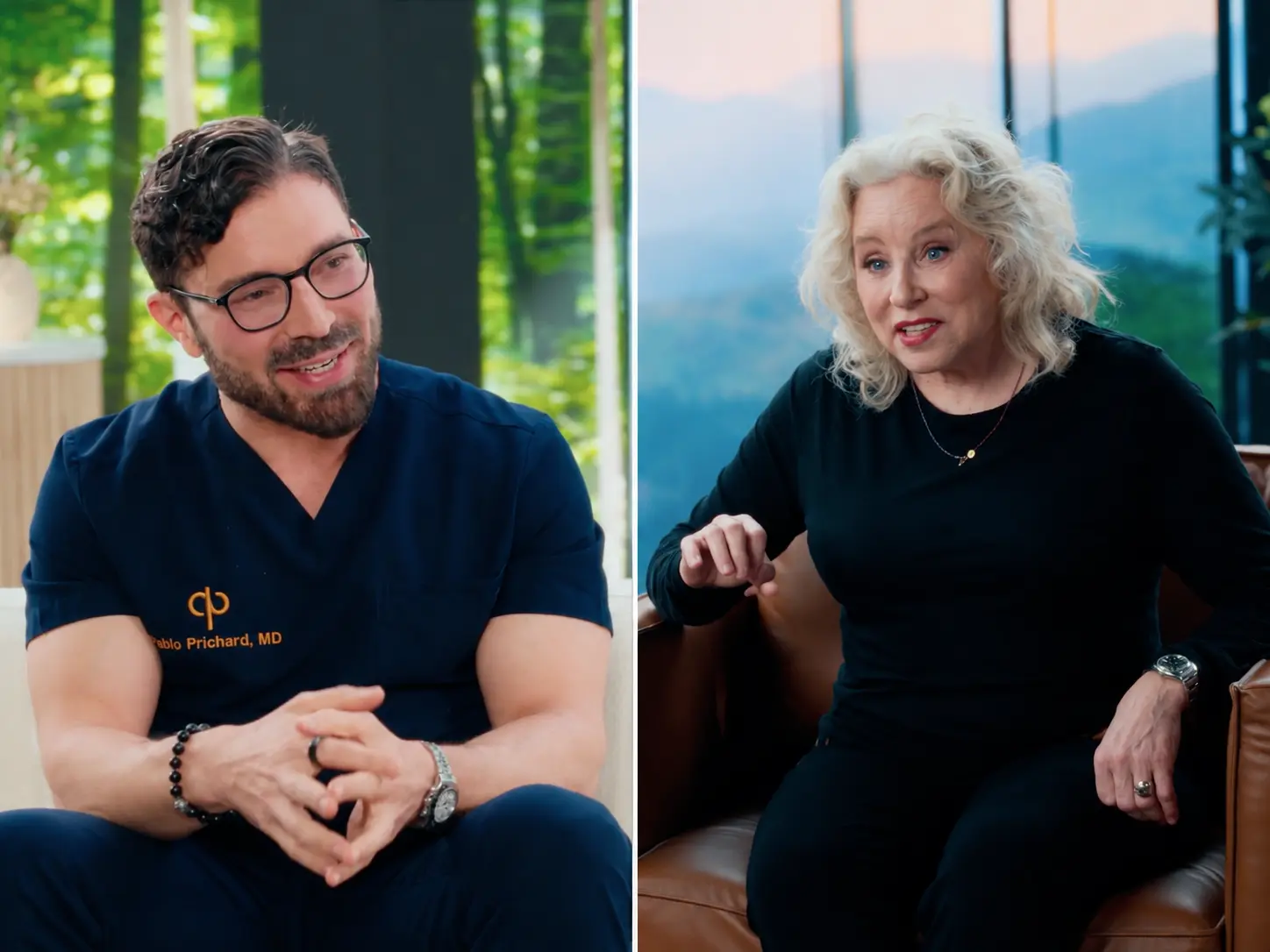
The episode also revisits Danielle Fishel’s breast cancer diagnosis.
Danielle has been public about being diagnosed with ductal carcinoma in situ with microinvasion. She remembers exactly where she was when the call came from her doctor. It was the kind of moment that divides time into before and after.
But because it was caught early, her story had a different path.
Dr. Pablo and Danielle discuss what happens after diagnosis and treatment, including radiation’s effects on tissue, fibrosis, microcirculation, and the questions patients may still have once treatment ends.
Her story highlights two important truths at once.
Early detection can change outcomes.
And patients still need support, guidance, and clear conversations after the initial treatment is finished.
Dr. Gokal reflects on how early information can change the trajectory not only for the patient, but for the family around them. When cancer is found earlier, there may be more hope, more options, and more specific steps to take.
The diagnosis is still serious.
But the story can be different.
Firefighters, Exposure, and the Cost of Risk
Then comes one of the episode’s most emotional case studies: Bill Rini.
Bill is a firefighter, a survivor, and a man who has faced multiple cancer diagnoses. His story brings exposure and occupational risk into the conversation in a powerful way.
“I don’t like bullies,” Bill says. “And cancer is a bully.”
As a firefighter, Bill spent a life running toward danger. On the Wheel of Age, his body shows the wounds of that life, but also the resilience that has carried him through. Dr. Pablo recognizes both: the damage, the survival, and the mission Bill now carries forward.
Bill’s story shows why earlier tools and greater awareness matter so much.
Some people carry risks because of the work they do. Some because of environment. Some because of family history, biology, lifestyle, or factors we do not fully understand yet. The point is not to wait for the obvious sign. It is to understand risk earlier and act with more information.
For people like Bill, the hope is that future detection can help others avoid some of the damage he endured.
That is where medicine may be changing.
The Myths That Delay Action
Dr. Pablo closes by cutting through three dangerous assumptions.
Myth: cancer only affects older people.
Age is still an important risk factor, but some cancers are appearing more often in younger adults, including people in their 20s and 30s.
Myth: no family history means no risk.
Most cancers occur in people with no known family history. Genetics matter, but they are only one part of the picture.
Myth: a healthy lifestyle means complete protection.
Healthy habits can reduce risk, but they cannot eliminate it. Cancer is complex, which is why awareness and early detection still matter.
The takeaway is clear.
Do not rely on assumptions.
Stay informed. Ask questions. Know your family and personal history. Follow recommended screenings. Talk with your doctor about your individual risk and whether newer tools may make sense as part of your care.
What This Episode Leaves You With
Cancer is personal.
It touches families, futures, plans, and the people we love most. But this episode does not approach it only with fear. It approaches it with the kind of hope that comes from knowledge.
Cancer can begin quietly. That is the danger.
But medicine is getting better at listening earlier. That is the breakthrough.
Dr. Pablo, Dr. Beer, and Dr. Gokal show that the future of cancer care may depend on layers: prevention, standard screening, emerging detection tools, risk awareness, and informed conversations between patients and clinicians. No single tool solves everything. But each layer can help close the gap between when cancer begins and when we finally find it.
The question is no longer only, what happens after diagnosis?
It is also, what if we could know sooner?
Watch this episode of Forever Young with Dr. Pablo Prichard on NBC to see how Dr. Pablo, Dr. Tom Beer, and Dr. Neil Gokal revisit powerful case studies, explain the promise of early cancer detection, and explore how new diagnostic tools may help more people protect their future before symptoms ever appear.