We live in a time where connection is everywhere.
Messages. Likes. Video calls. Group chats. Feeds that never stop refreshing. Screens that keep us in constant contact with the world, but not always in true contact with each other.
Somehow, many of us are more reachable than ever and still feel alone.
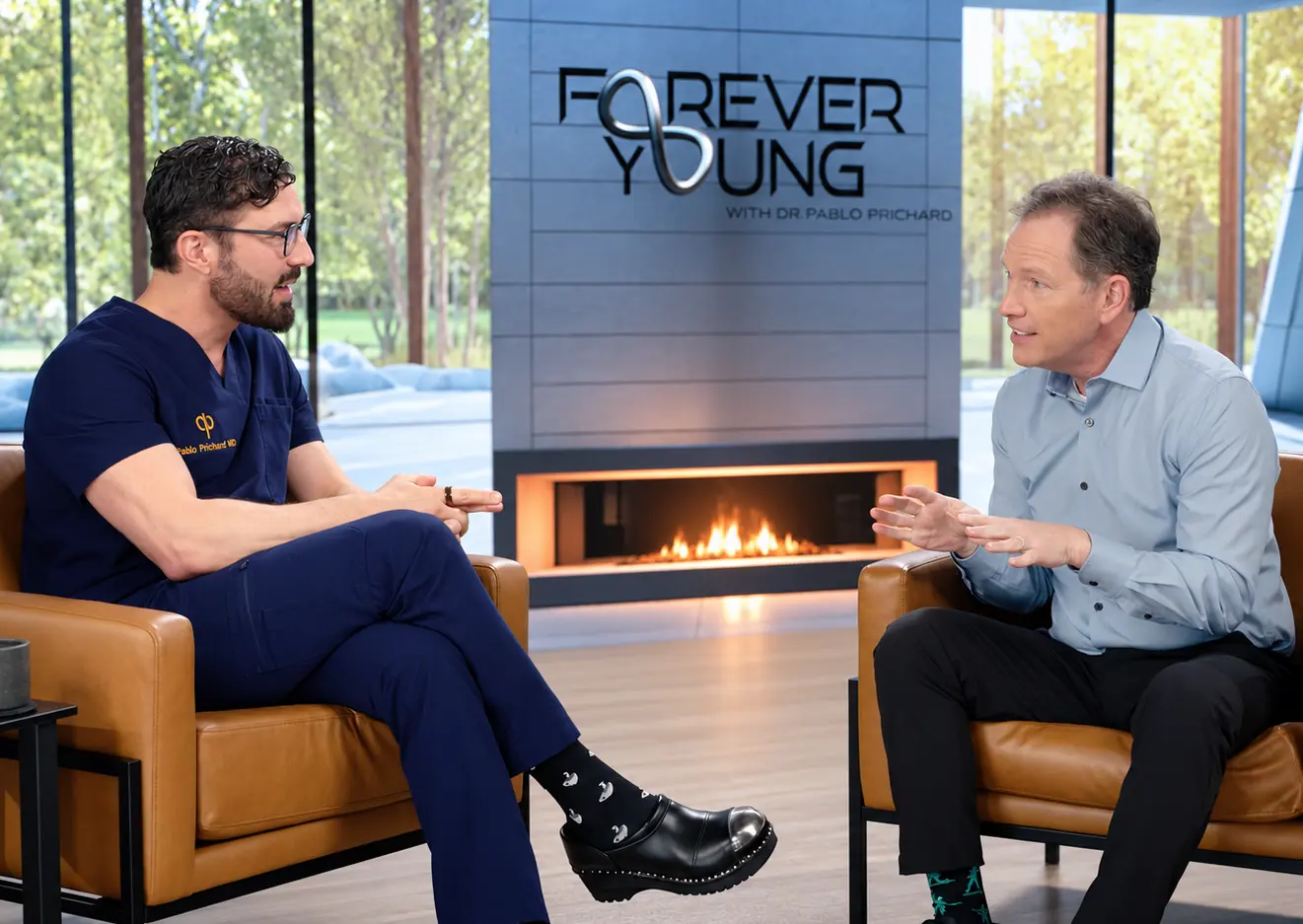
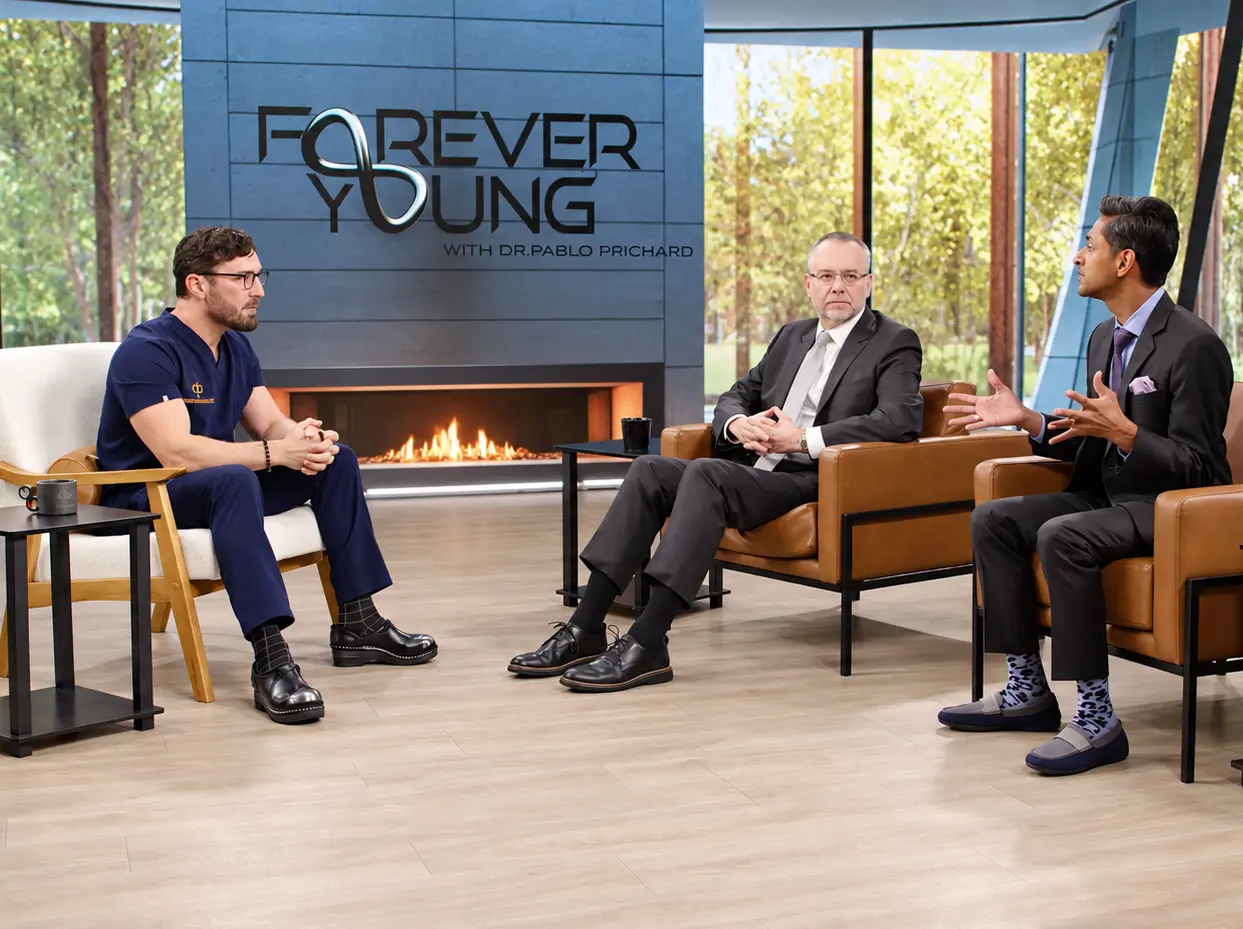
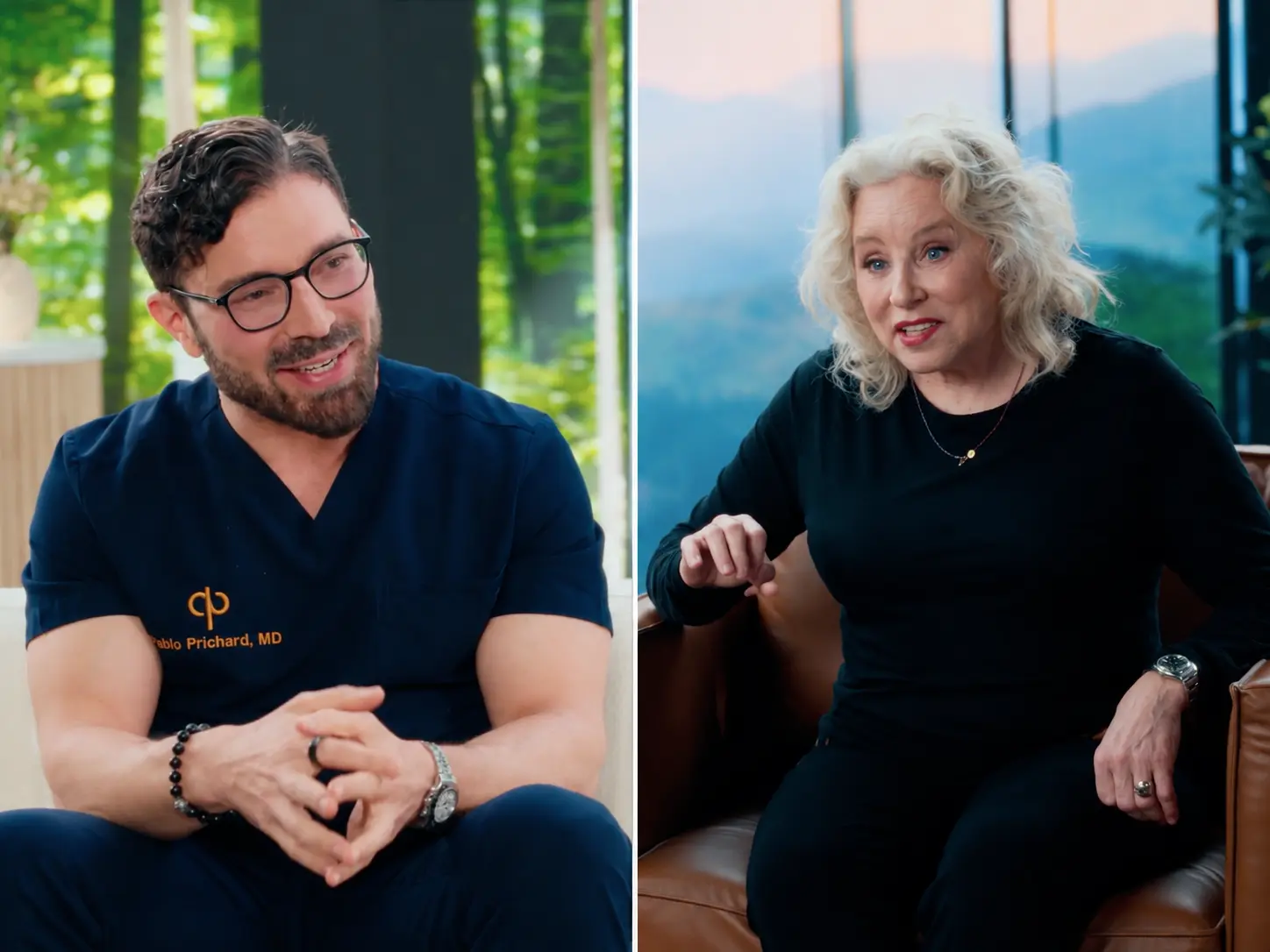
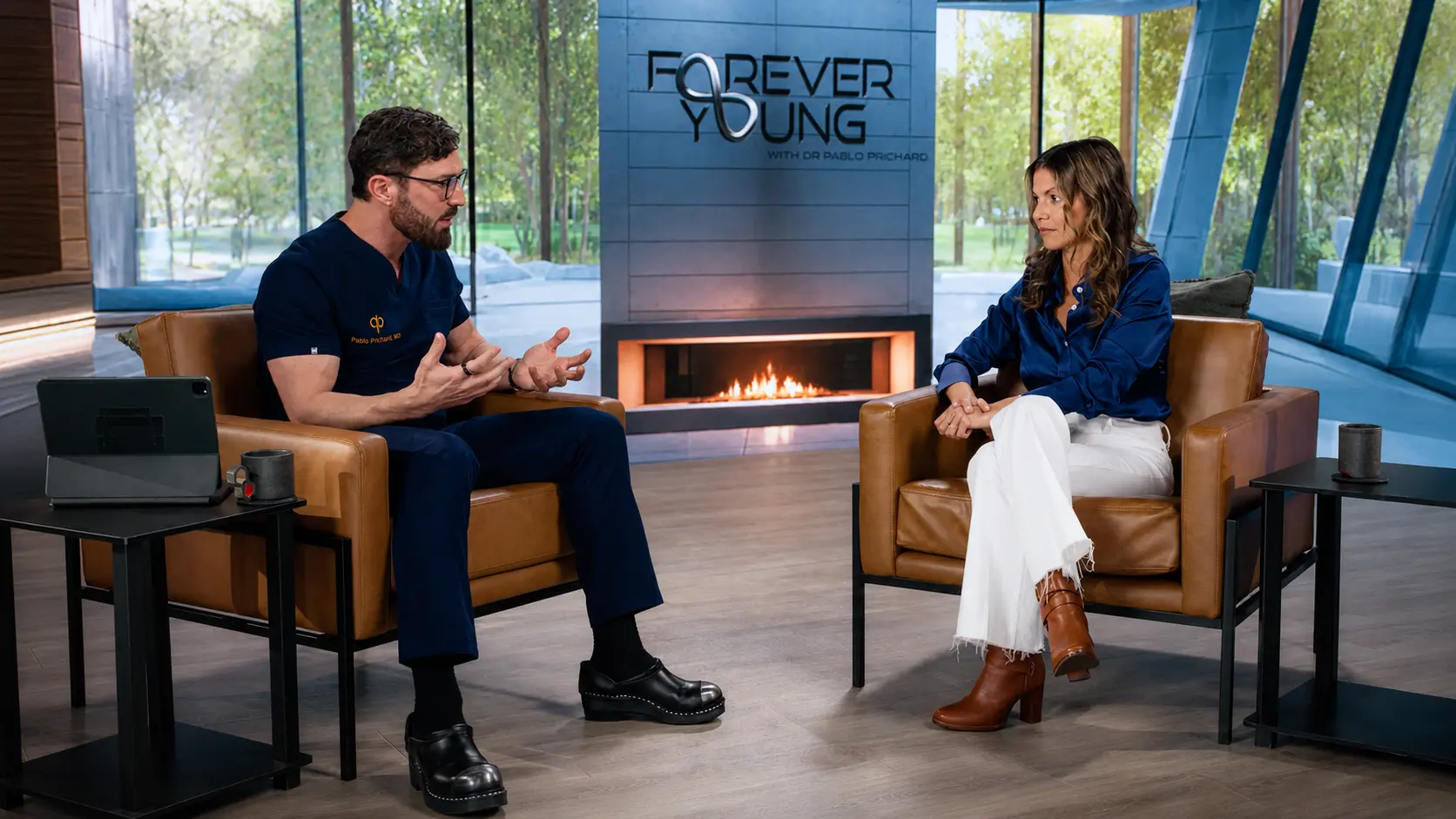
This episode of Forever Young with Dr. Pablo Prichard explores one of the most powerful and human forces shaping how we age: connection. Joined by Sage Robbins, Dr. Pablo revisits the science, emotion, and biology behind what happens when human presence disappears and what changes when it returns.
Sage frames it simply.
“Connection is life.”
Not a luxury. Not a soft idea. Not something separate from health. Connection is part of what keeps the body regulated, resilient, and alive to the world.
The question is how we reconnect in a modern life that keeps pulling us apart.
Stimulation Is Not the Same as Connection
The episode returns to Joseph, a 23-year-old whose friendships and sense of belonging developed largely through screens.
Video games. Online spaces. Digital routines. A world where connection felt safer because it did not require the same vulnerability as real life.
For Joseph, the retreat into technology did not come from nowhere. Childhood asthma and severe allergies often kept him isolated. He spent long stretches physically limited, sometimes tethered to filters or medical needs, away from the ordinary social rhythms other kids were building around him.
As he got older, video games became more than entertainment.
They became a refuge.
But the episode asks a difficult question: what happens when digital connection begins to replace human presence?
Sage sees the danger clearly. Screens can provide stimulation. They can provide a dopamine hit. They can create a sense of worth through likes, follows, and online feedback. But that is not the same thing as being seen, touched, known, or held by another person’s attention.
Technology can distract us from loneliness.
It cannot always heal it.
The Body Knows the Difference
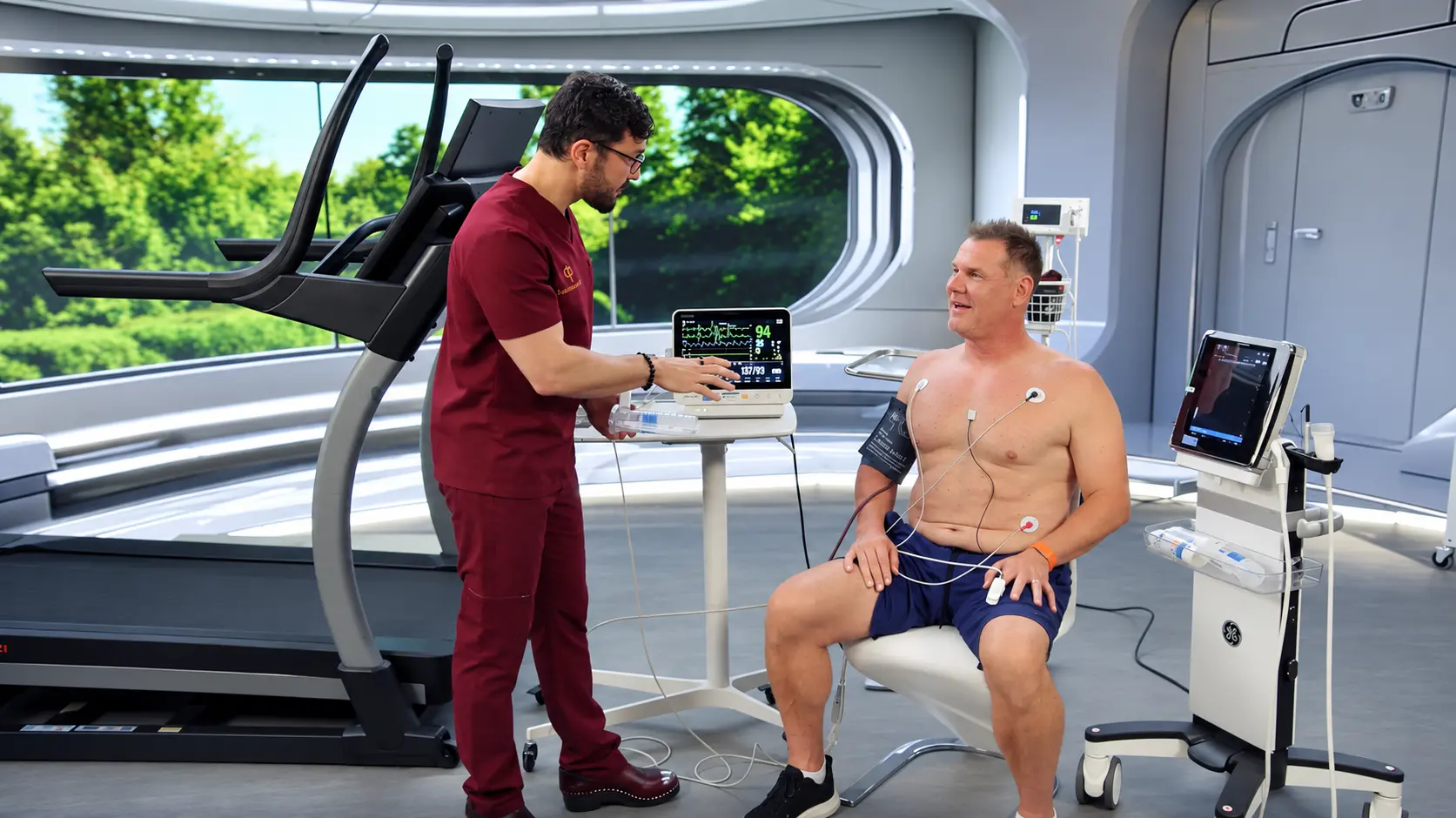
Dr. Pablo does not treat connection as a feeling alone. He measures it.
Joseph is placed in isolation with only his screens, video games, and digital habits. No eye contact. No human presence. No real-world interaction. The experiment tracks what happens inside him: cortisol, heart rate, heart rate variability, brainwaves, and stress physiology.
The results tell the story.
Cortisol rises.
Beta waves stay high.
Heart rate variability drops.
Dopamine spikes sharply and drains quickly.
This is stimulation, not nourishment.
Joseph may be engaged. He may be focused. He may even feel occupied. But the body is not registering the deep regulation that comes from genuine human connection. His nervous system becomes more rigid, less adaptive, more strained.
Then a small shift happens.
Eye contact, even through a screen, begins to change the data. Alpha waves rise. Heart rate steadies. The body begins moving toward coherence.
The content did not change.
Recognition did.
That is the difference the body understands before the mind can explain it.
The Senses Are Part of the Soul
Sage brings the conversation back to the gift of being human.
Our senses.
The ability to perceive. To touch. To taste. To feel the warmth of another person in the room. To notice a smile, a glance, a breath, a presence. Screens can show us an image of life, but they cannot fully replace the experience of living it.
She uses a simple image: you can look at fruit on a screen, but you do not taste it. You do not receive its nourishment.
Connection works the same way.
The digital version can resemble the real thing, but it does not always feed us in the same way.
Sage describes loneliness as a disconnection from our innate essence, from the awe and wonder of being alive. When life gets reduced to likes, follows, and the constant performance of online attention, something essential can get diluted.
The episode does not reject technology.
It asks viewers to notice what technology cannot replace.
Presence Requires Vulnerability
Connection is not passive.
It asks something of us.
Dr. Pablo and Sage talk about the vulnerability required to reach out, to be seen, to put oneself in front of another person without the protection of a screen or an app. Real connection is a two-way street. You have to make yourself available, and someone else has to be willing to meet you there.
That is part of why loneliness can be so difficult.
It is not solved simply by being near people.
A person can stand in a crowded room and feel completely alone. Proximity is not the same as belonging. What matters is emotional safety, trust, recognition, and the feeling that someone knows you beyond the surface.
This becomes clear when Joseph enters a crowded nightclub alone.
The room is full of music, bodies, energy, and possibility. But his body does not register connection. His heart rate rises. His breathing narrows. Stress chemistry climbs. He is surrounded by people, but not held by any of them.
Then his girlfriend walks in.
Everything shifts.
Recognition Before Words
The moment is simple.
Joseph sees someone who knows him.
His face changes. His body changes. His physiology changes. The isolation response begins to loosen. Then comes a kiss, and the data follows what the heart already understands.
“In a heartbeat, Joseph’s entire physiology wakes up,” Dr. Pablo says.
Nothing about the room changed. The music was still loud. The crowd was still there. The environment was still overwhelming.
But love entered the room.
His body recognized safety. His nervous system responded. Stress began to shift. Connection became visible not only emotionally, but biologically.
True connection is not coded.
It is felt.
Breath to breath. Body to body. Soul to soul.
The Myths That Keep Us Apart
The episode also challenges common myths about loneliness and independence.
Loneliness is not “just an emotion.” Chronic loneliness can have real physiological effects, including higher stress, worse sleep, higher inflammation, and greater risk for cognitive and physical decline.
Being around people is not automatically a cure. A crowd can still feel lonely if there is no emotional safety, belonging, or trust.
Independence does not mean needing no one. Healthy aging is not about isolation. It is about maintaining autonomy while staying embedded in meaningful relationships and community.
That distinction matters.
Connection does not make us weak.
It helps keep us whole.
What This Episode Leaves You With
Connection is one of the simplest things to recognize and one of the easiest things to lose.
It disappears in small ways. A phone picked up instead of a conversation. A message sent instead of a visit. A room shared without anyone truly being present. A life full of communication but short on communion.
This episode asks viewers to return to what the body already knows.
We are built for presence. We are shaped by relationships. We regulate through each other. A laugh, a hug, eye contact, a shared moment, a familiar face walking into the room. These are not small things to the nervous system. They are biological signals of safety and belonging.
Sage Robbins brings the emotional truth of that idea into focus. To be forever young, for her, means staying willing and receptive to life. Laughing. Welcoming spontaneity. Taking in the moment instead of rushing past it.
Real connection begins there.
Not with a grand gesture, but with presence.
Watch this episode of Forever Young with Dr. Pablo Prichard on NBC to see how Dr. Pablo and Sage Robbins explore the science and soul of human connection, why digital stimulation cannot fully replace real presence, and how the quality of our relationships may shape the way we age, heal, and thrive.