Episode 11:  

Flexibility Is Not About Touching Your Toes

Flexibility usually enters the conversation late. After the aches. After the stiffness. After someone says, “I guess this is just getting older.”

This episode quietly dismantles that assumption.

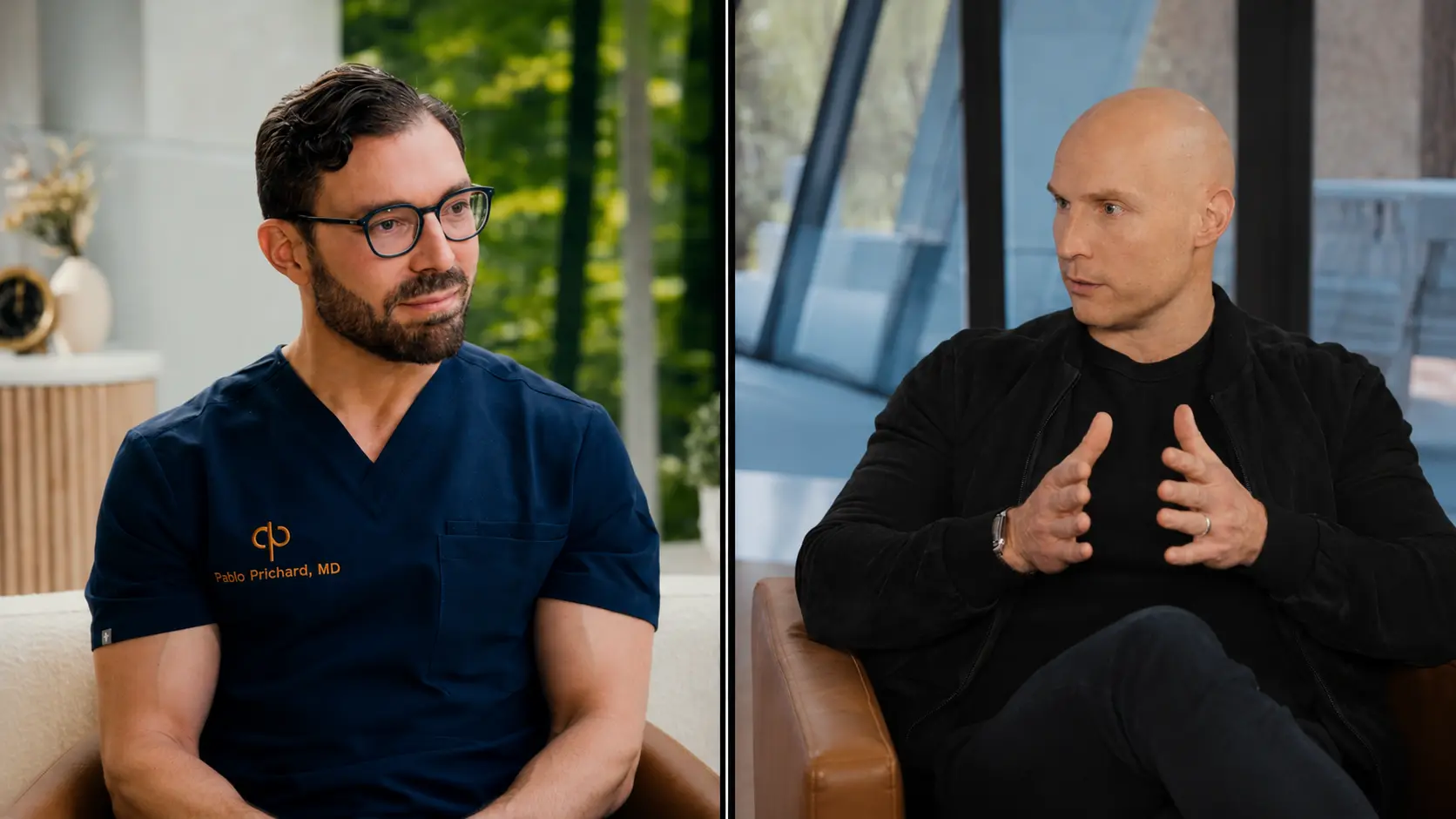
Dr. Pablo Prichard opens with a simple idea that lands harder than it sounds. Flexibility is not a party trick. It is a biological signal. A living measure of how well your body is adapting to time, stress, and use. Or neglect.

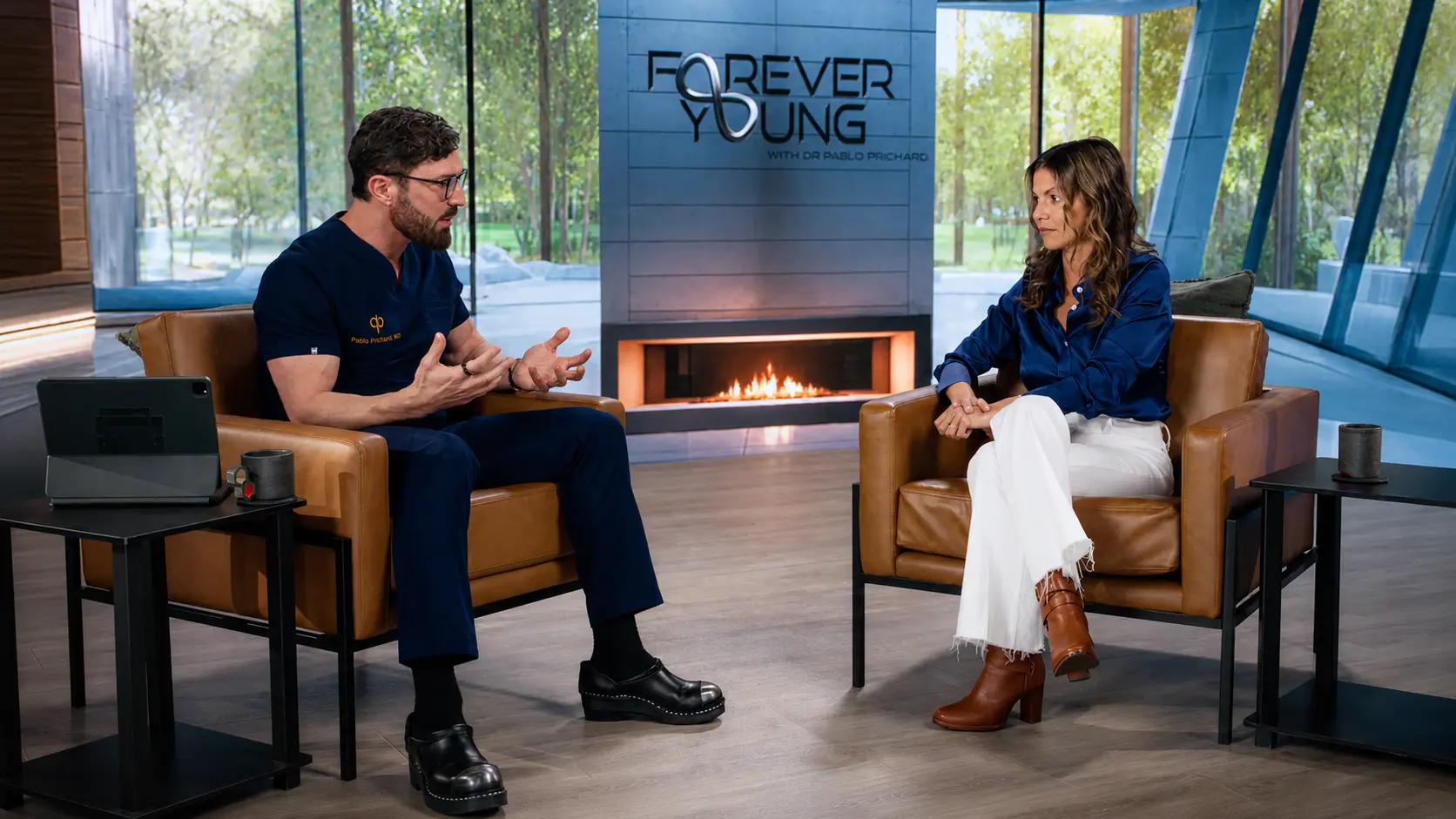
When Chace Collett enters the picture, it would be easy to assume this is a dancer’s story. Five-time world champion. Extreme range of motion. A body that does things most people cannot imagine attempting. But the episode resists that trap.

Instead, Chace becomes a contrast point.

He talks openly about discovering flexibility not as talent, but as a missing piece. Early competitions showed him what strength alone could not do. Without mobility, movement stalled. Injuries followed. Progress flattened. Flexibility was not aesthetic. It was access.

That framing matters.

Dr. Pablo mirrors it from the opposite direction. Highly driven. Highly focused. Highly sedentary in ways many viewers will recognize. Desk posture. Forward-folded days that add up over years. The assessments make that visible, not dramatic. Just honest.

“I thought flexibility was one of my weaknesses,” he says, without softening it.

And that moment lands because it sounds familiar.

What The Episode Makes Clear

Flexibility is not about extremes. It is about margins.

Small losses in range create big consequences over time. Tight hips shorten stride length. Restricted spinal movement alters breathing. Limited shoulder mobility changes posture, then pain, then behavior. The body adapts. Just not always in your favor.

Dr. Pablo explains flexibility as circulation in motion. Stretching opens pathways. Blood flow improves. Oxygen delivery increases. Waste clears more efficiently. Fascia rehydrates. Joints reclaim space they slowly lose when movement becomes repetitive or cautious.

One line quietly reframes everything: flexibility is neurological as much as physical.

Every controlled stretch teaches the nervous system that movement is safe again. Stress drops. Guarding eases. The body stops bracing for impact that never comes.

That is not fitness language. That is survival language.

The Moment That Shifts Perspective

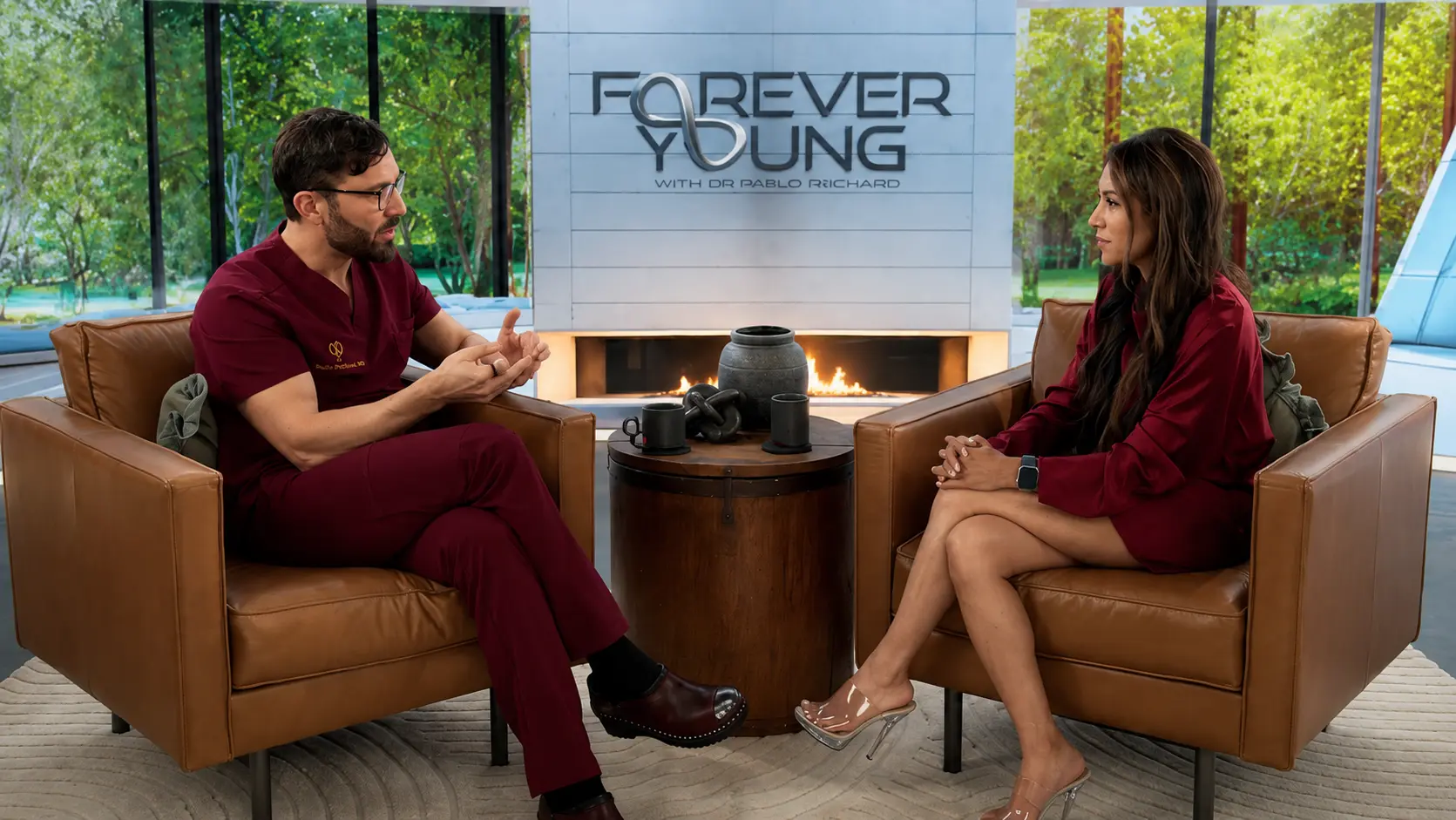
The stretching work between Chace and Dr. Pablo is not played for laughs, even when discomfort shows up. What stands out is how methodical it is. Assess first. Move slowly. Breathe. Contract. Release. Go a little further. Then stop.

No pushing past pain. No chasing performance.

Chace repeats a theme that shows up again and again. Flexibility without strength creates instability. Strength without flexibility creates brittleness. Longevity lives in the middle.

That balance is what most people miss.

Usable Takeaways You Can Apply Without Turning Life Upside Down

Stretch after you are warm.
Cold muscles resist. Warm tissue responds. Even a short walk or light movement changes how stretching feels and how effective it is.

Pair effort with release.
Contract the muscle gently, then relax into the stretch. This teaches your nervous system that the new range is safe, not threatening.

Pay attention to your spine.
Spinal mobility influences breathing, balance, posture, and energy. If movement feels “blocked,” start there.

Do not wait for time.
Ten minutes broken across the day counts. Consistency matters more than duration. Flexibility fades faster than strength when ignored.

Notice posture patterns, not pain.
Pain is late feedback. Stiffness, asymmetry, and hesitation are earlier signals. Respond to those.

Why This Episode Stays With You

The Wheel of Age segment reinforces the central idea without spectacle. Even a body built around movement has room to improve. Stress shows up. Recovery matters. Flexibility supports more than joints. It supports resilience.

When Chace says she wants to lower her biological age, it does not sound aspirational. It sounds practical.

That is the quiet power of this episode.

Flexibility stops being about youth or performance. It becomes about keeping options open. Movement options. Recovery options. Life options.Not bending to time. Just learning how to move with it.  Watch episode 11 of Forever Young with Dr. Pablo Prichard on NBC.
Share this post

More episodes

Your Next Episode Awaits

Episode 21
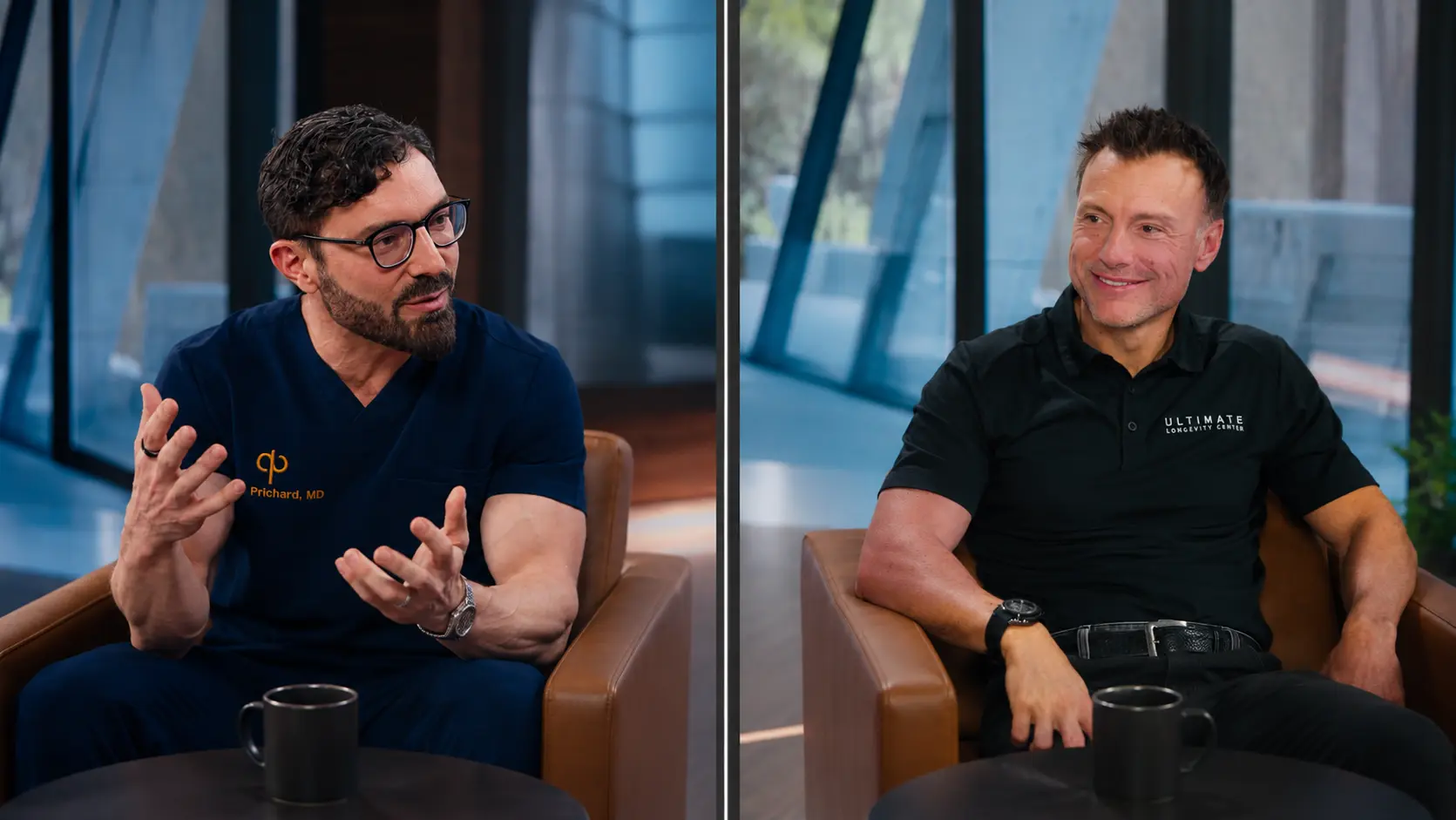
Split-screen interview: two men sit in leather chairs and talk in a modern office setting, left in navy scrubs labeled Prichard, MD, right in a black polo labeled Ultimate Longevity Center with a coffee mug on the table nearby.

Making Movement Matter

Most people already know movement matters. They know walking is good for them. Strength training helps. Consistency helps. But knowing is not the same as doing. Dr. Pablo sits down with Anthony Geisler, CEO of Sequel Brands, to explore what actually gets people to move. Not once, not for a week, but for life. Because…

Episode 20

The Longevity Code

Longevity can sound like a secret language. Biological age. Biomarkers. Mitochondria. Wearables. The words can make the future of health feel complicated and out of reach. But beneath all the technology is a much more human question. How do you want to feel years from now? Dr. Pablo sits down with Dugal Bain-Kim, CEO and…

Episode 19

Hormones, Then and Now

Hormones are easy to blame. The mood swings. The sleepless nights. The sudden changes in weight, energy, and drive. The feeling that something inside the body has changed before anyone can explain why. But hormones are not trying to sabotage us. They are trying to communicate. This special episode revisits some of the season’s most…

Episode 18

What Your Skin Is Trying to Tell You

Skin is the part of aging we see first. The fine lines. The dullness. The spots that appear slowly. In a world of filters and endless comparison, skin can start to feel like something to polish, correct, and display. But before skin was content, it was protection. Joined by Dr. Tony Youn, holistic plastic surgeon…

Episode 17

Feeding Forever Young: Diet Meets the Microbiome

Every meal is a message. Not just to the stomach. To the brain. The immune system. The hormones. The hidden world of microbes living inside the body, responding to what we eat, how we sleep, and how we move. Dr. Pablo is joined by Dr. Amy Shah, a double board-certified physician and bestselling author known…

Episode 16

A Fasting Family: One Science, Many Rhythms

Bruce, Tiffany, and Logan are a family in motion. They live in Las Vegas. A city built on constant input. Lights. Noise. Schedules. Meals on the run. A life that rarely slows down long enough for the body to catch up. They already care about their health. The gym. Clean eating. The sauna. But even…

Episode 15

Inflammation: The Invisible Fire

Kaylin is 13. Bright. Thoughtful. More aware of her body than most kids ever have to be. Since second grade, she has lived with Crohn’s disease. Stomach pain. Fatigue. Doctor visits. Infusions. An invisible burden that can shape a childhood, even when no one else can see the fire burning inside. “I had no clue…

Episode 14

Brain Fog: The Writers’ Room in Your Mind

Jane and Shari know timing. As performers, writers, and stars of Thee Third Act, they live in it. The setup. The pause. The word that lands exactly when it should. Brain fog has different timing entirely. It arrives mid-sentence. It takes the simple word. It turns a familiar thought into a question mark. “When I…

Episode 13
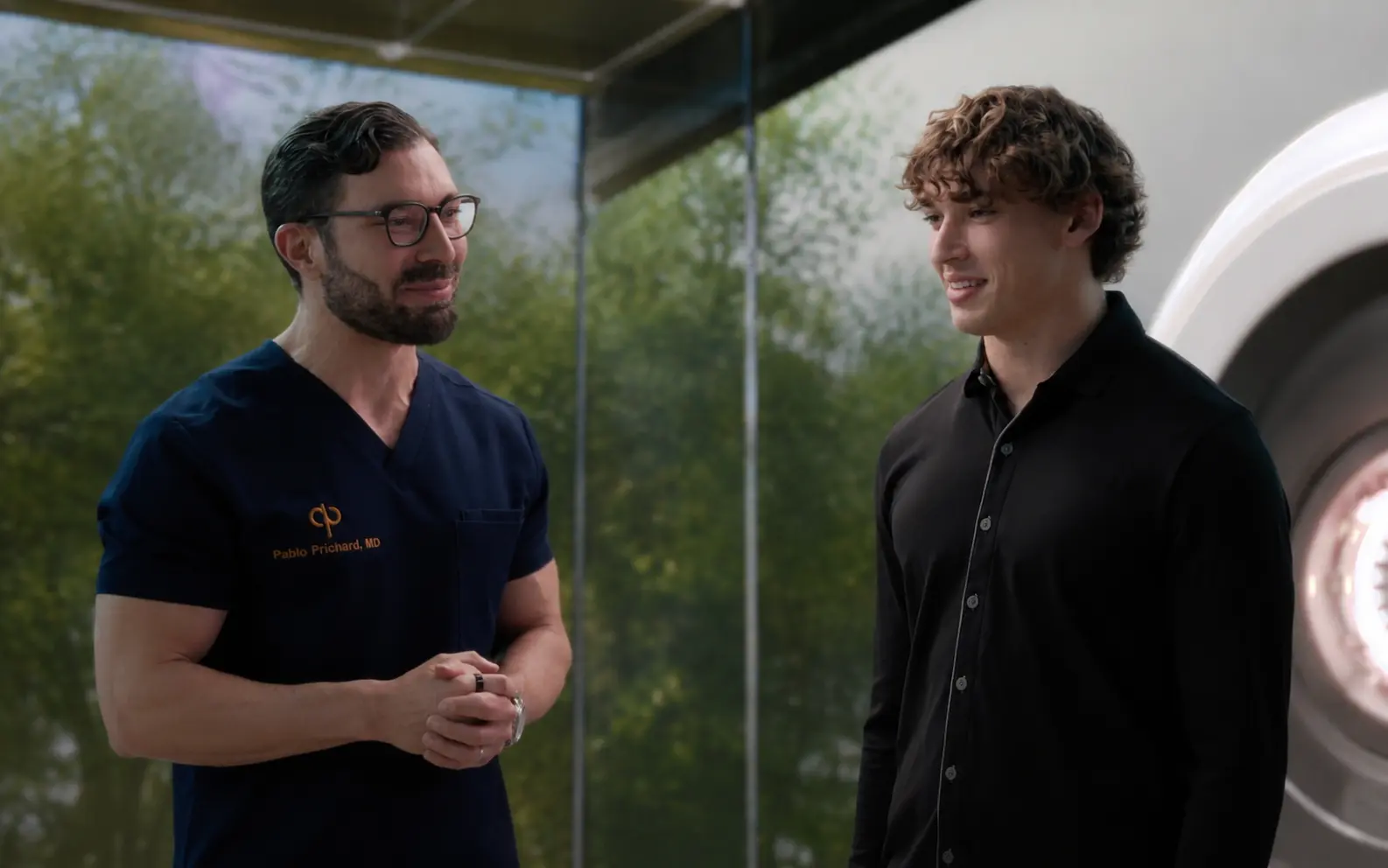
Two men stand in a modern clinic: a fit male doctor in navy scrubs (Pablo Prichard, MD) converses with a younger decathlete Trei

DecathLife: The Events of Aging

Trey is 21. Driven. Disciplined. Built for motion. As a college decathlete, he knows something most people figure out too late. You cannot win by being brilliant at one thing. You win by being balanced across all of them. Dr. Pablo sees something bigger in that logic. He calls it DecathLife. “The human body isn’t…

Episode 12

The Universe Living Inside You

Most conversations about aging focus on what shows up on the outside. Wrinkles. Energy levels. Numbers on a scale. This story starts somewhere else entirely. Inside a place most people never think about until something goes wrong. The microbiome. Dr. Pablo Prichard introduces it not as a buzzword or a trend, but as a living…

Stay connected with Forever Young

Stay informed, sign up for news and helpful updates from Dr. Prichard delivered straight to your inbox.

By signing up, you agree to receive updates and promotional content from Forever Young.