Episode 4 of Forever Young turns the spotlight onto something we all feel but rarely understand. Hormones. The tiny chemical messengers running the show behind energy, focus, mood, strength, recovery, and the way we age. It is one of those topics people love to joke about, but once this episode starts, you realize how much they actually shape your entire life.
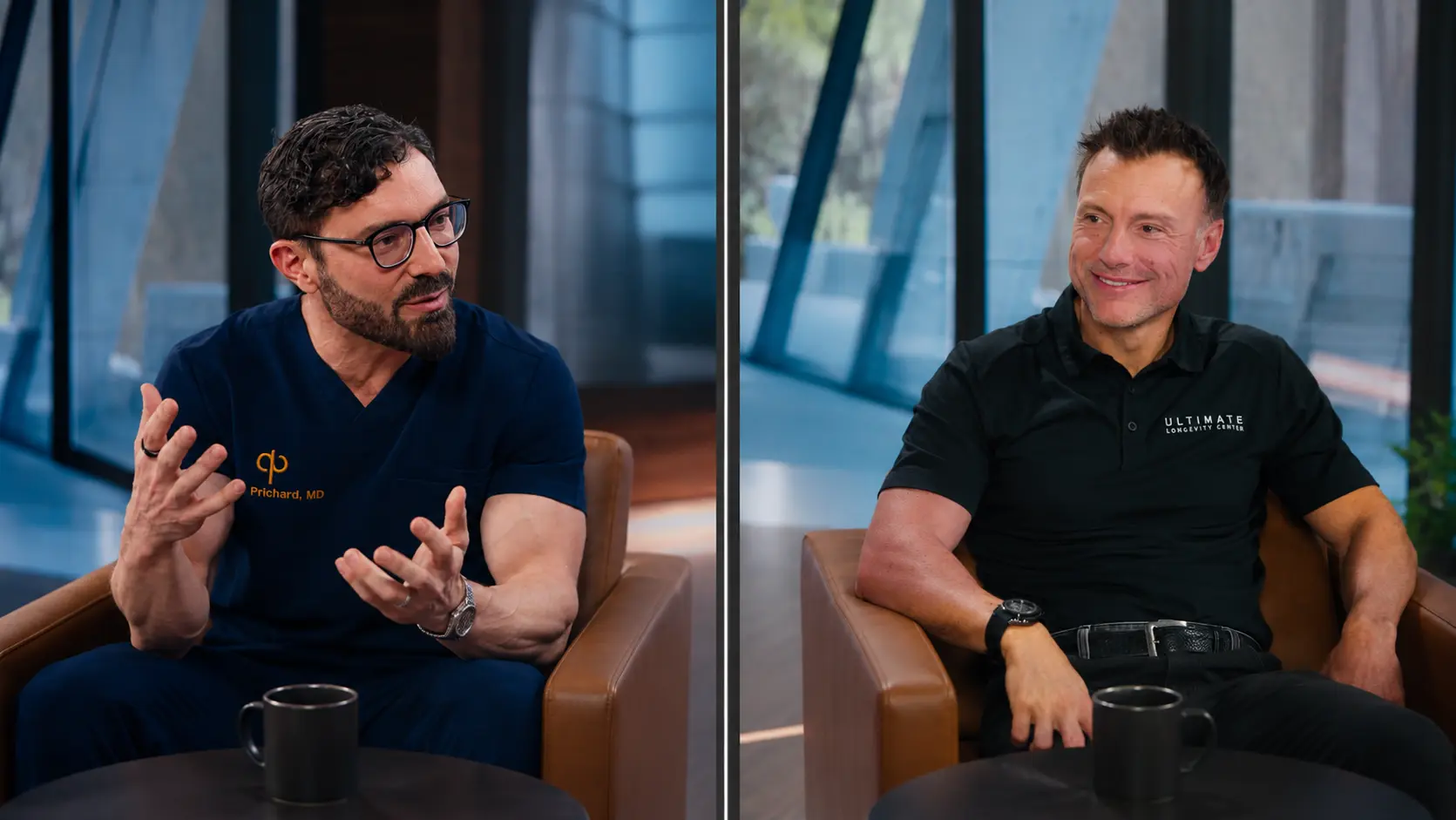
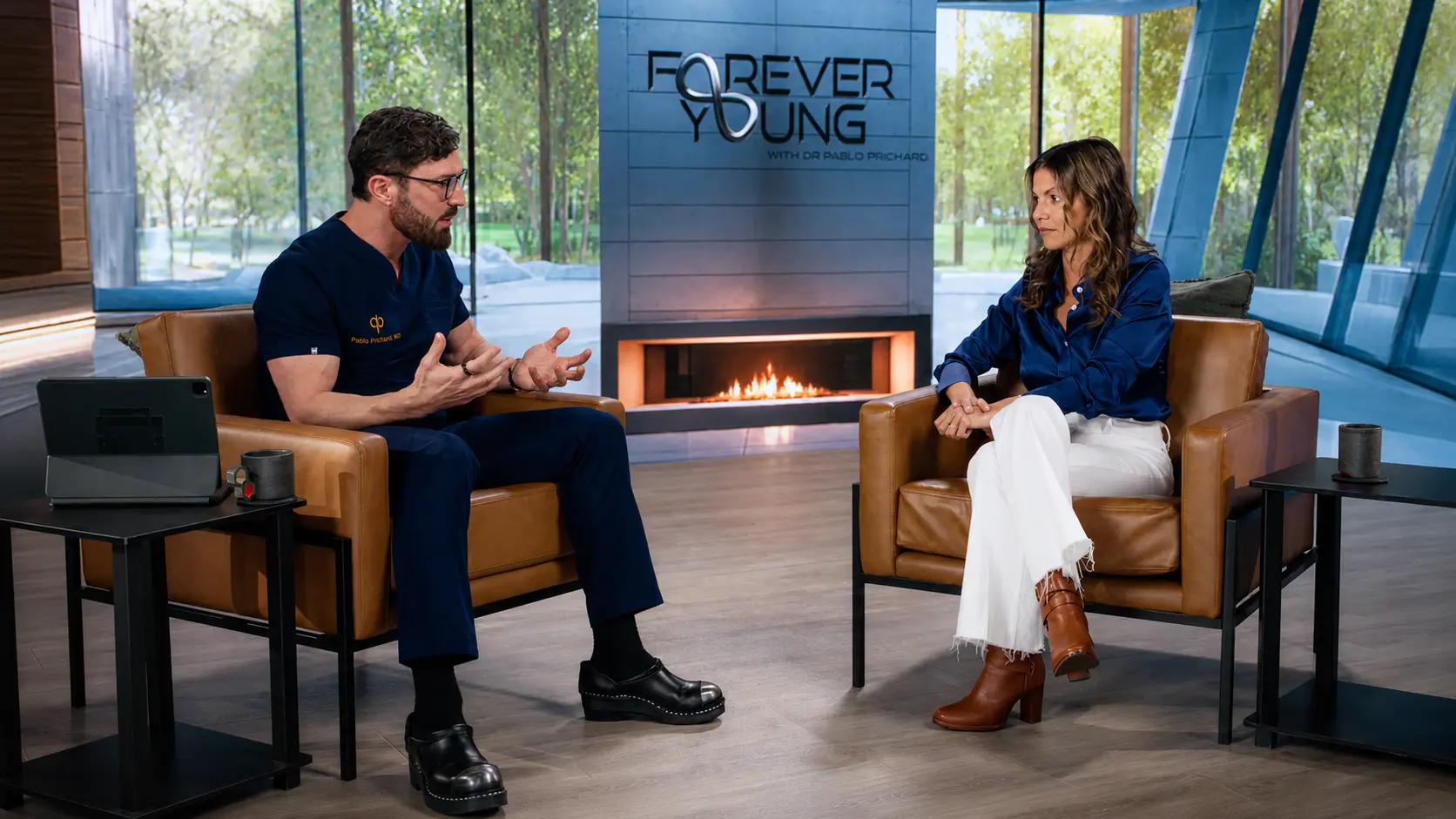
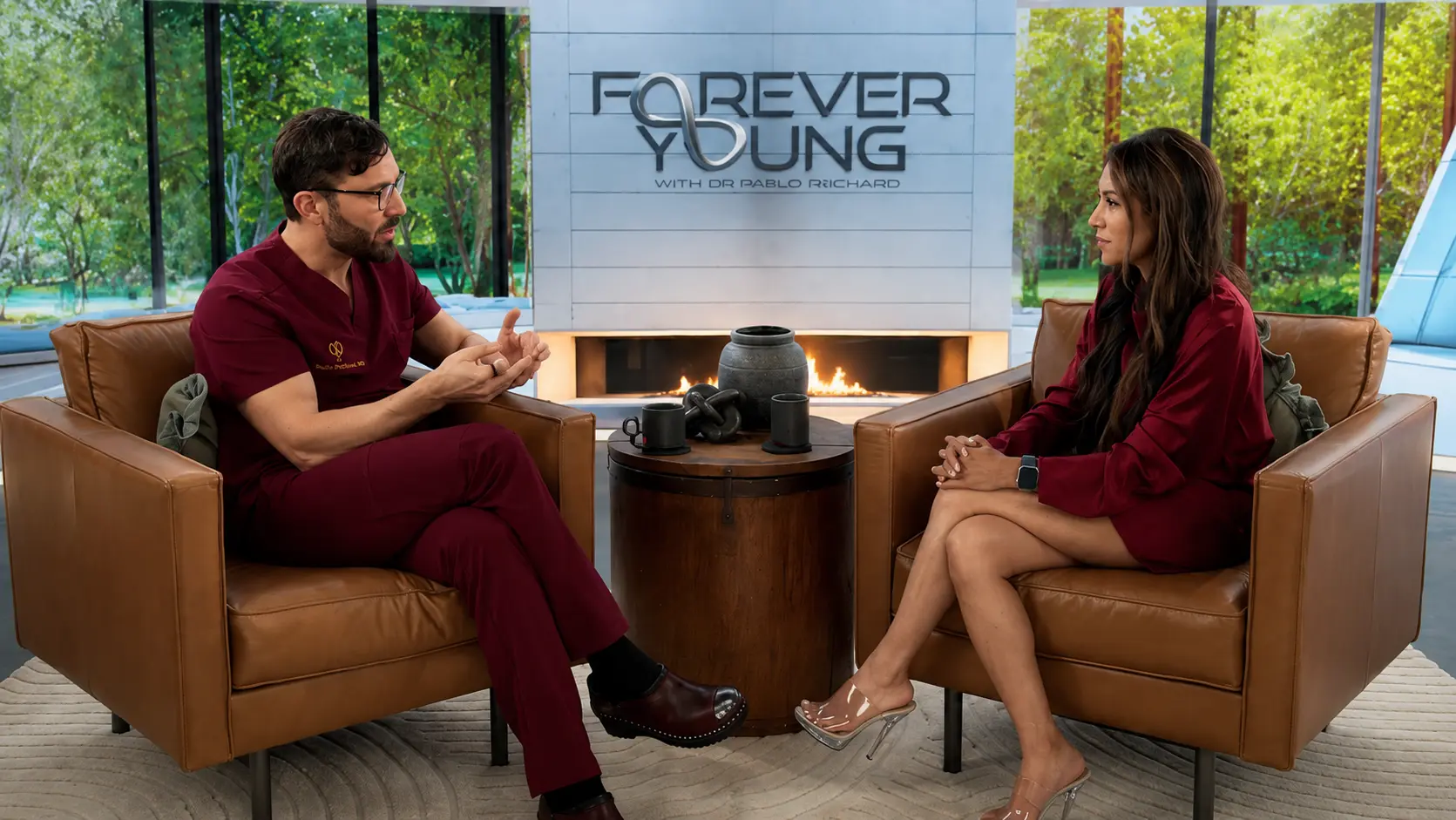
To explore that shift, Dr. Pablo brings in a duo who live fast, perform hard, and are suddenly noticing the signs of slowing down. Actress Alicia Willis and her husband, racing legend and stunt driver Tanner Foust. Two high achievers who have spent years pushing their bodies and minds. Now both are dealing with familiar midlife questions. Why is recovery taking forever? Why is energy dipping? Why does the body feel different even when the lifestyle has not changed that much?
Alicia says it plainly. “I think I’ve aged more in the last five years than in the twenty before that.” Tanner feels it too. He still races, but the prep takes more effort. The heat is harder. The recovery is longer. They are not falling apart. They are just noticing the shift that happens when hormones stop firing the way they used to.
This is where the episode shines. Instead of framing hormones as a problem, Dr. Pablo frames them as a conductor. When we are young, everything is in tune. Estrogen, testosterone, cortisol, melatonin, thyroid. All working in rhythm. As time passes, the rhythm loosens and the music of the body loses its spark. Not because we failed. Not because we are aging “wrong.” Simply because the conductor is getting tired.
The question becomes: how do we tune the orchestra again?
The middle portion of Episode 4 is a highlight reel of tests that reveal how hormones show up in real life. Not in charts. In performance. In focus. In strength. In memory. Watching Alicia and Tanner move between cognitive tasks and physical challenges is both funny and relatable. Reaction tests, memory lists, grip strength, and bench press. You see where their bodies thrive and where the dips have started. Alicia nails the cognitive tasks. Tanner crushes grip strength like a 30-year-old. Both realize how hormonal shifts might be connected to the moments they feel “off.”
But the real anchor of the episode is the Wheel of Age. When their results come in, each number tells a story. Alicia is younger than her real age. Tanner lands exactly at his. Neither result is alarming, and both are fixable. Dr. Pablo makes that point clear. Hormones are not final. They are adjustable. Support them, and the body follows.
The best part. The natural roadmap Dr. Pablo lays out. Sleep well so your hormones can reset. Move daily so your muscles stay sensitive to signals. Eat in a way that nourishes your chemistry instead of confusing it. Manage stress so cortisol does not run the show. Avoid endocrine disruptors hidden in everyday products. These steps sound simple because they are. The power is in their consistency.
Episode 4 ends with a reminder that feels grounding. Hormones are not villains. They are storytellers. When they drift out of sync, so do we. But with intention, habits, and sometimes medical guidance, we can bring the system back in tune. Alicia says it best. “All those little decisions add up.” She is right.
If you want an episode that explains why you feel different in your 40s and 50s, why your energy shifts, or why recovery takes longer, this is the one to watch. It is honest, human, scientific, and surprisingly comforting. Hormones may guide your biology, but your choices guide them. Episode 4 shows exactly how to make those choices count.