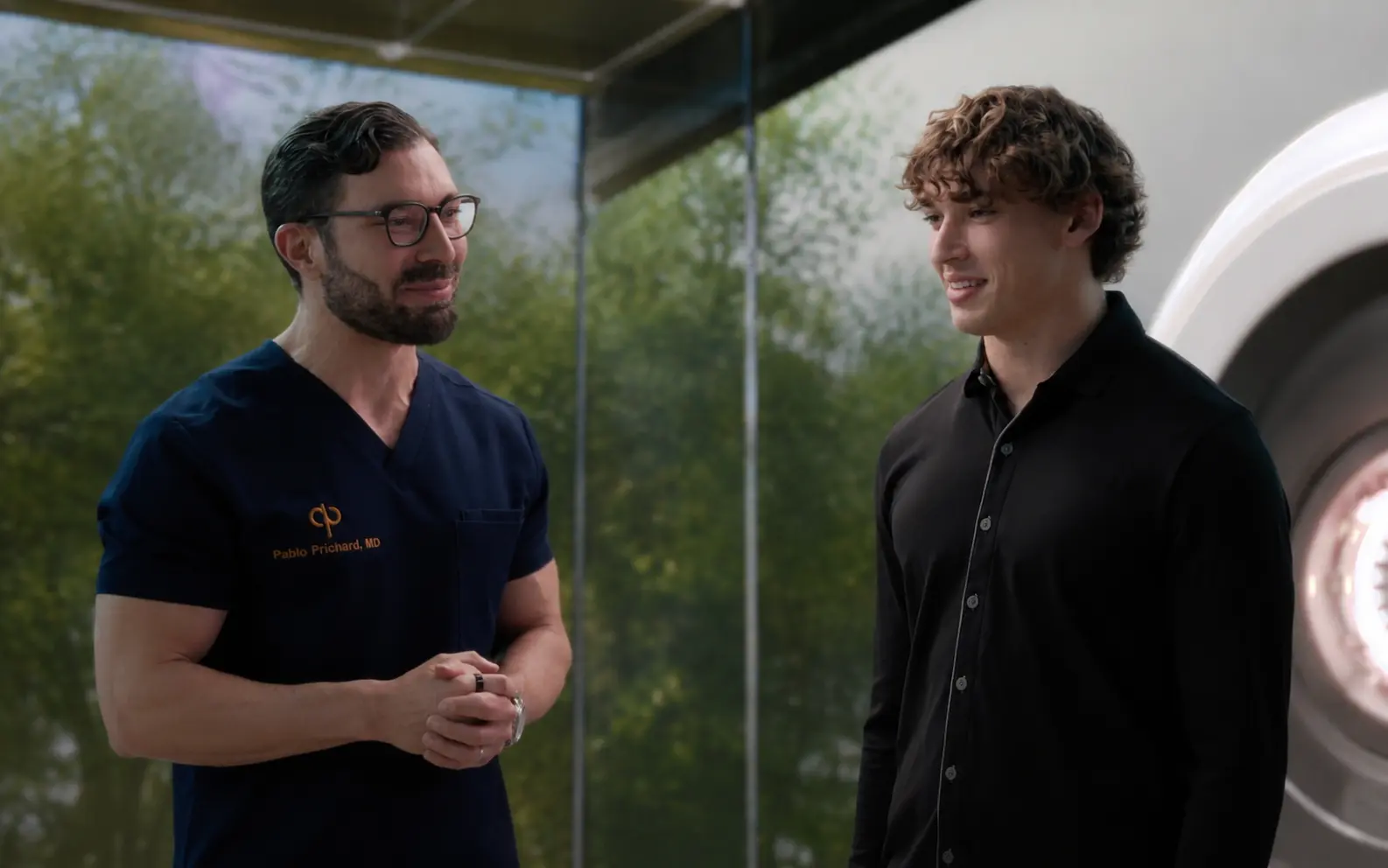
Most conversations about aging focus on what shows up on the outside. Wrinkles. Energy levels. Numbers on a scale. This story starts somewhere else entirely. Inside a place most people never think about until something goes wrong.
The microbiome.
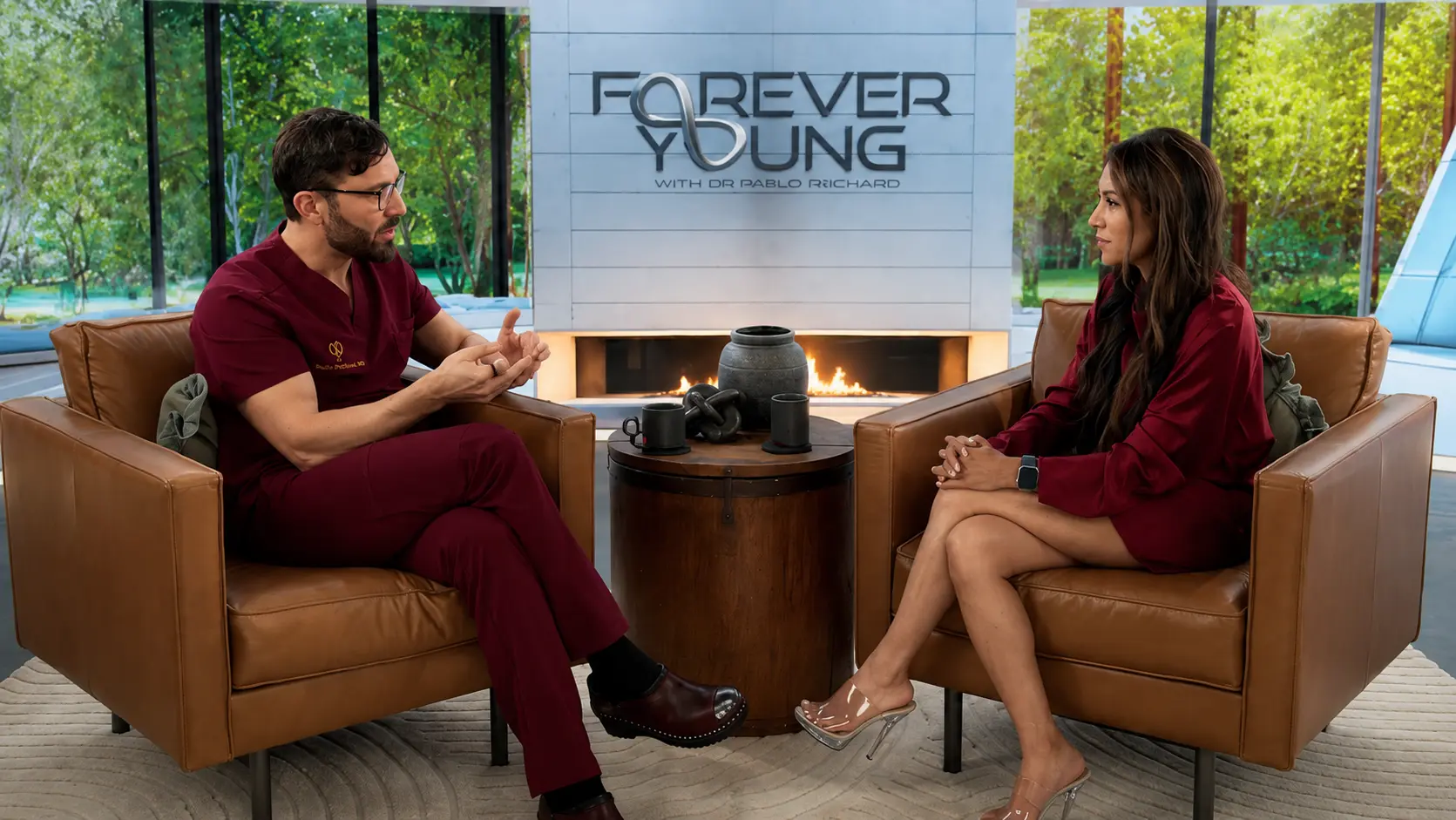
Dr. Pablo Prichard introduces it not as a buzzword or a trend, but as a living system that quietly influences how the body functions, repairs itself, and responds to stress over time. Trillions of organisms. More microbial cells than human ones. Each has a role to play in digestion, immunity, mood regulation, and inflammation.
Once you understand that scale, aging starts to look less mysterious and a lot more personal.
You Are Not Just One Body
One of the most grounding ideas Dr. Pablo Prichard returns to is this. Humans are not singular organisms. We are hosts. Ecosystems. Walking environments are shaped by what we eat, how we sleep, how we move, and how often we stay stuck in stress mode.
A healthy microbiome behaves like a well-run city. Helpful bacteria break down fiber into usable fuel. Others help produce essential vitamins. Some train the immune system to recognize what belongs and what does not. When balance is maintained, the system protects itself.
When that balance slips, problems rarely stay confined to digestion.
Discomfort becomes normal. Fatigue lingers. Anxiety creeps in without a clear reason. Inflammation rises quietly. Dr. Pablo Prichard explains that this breakdown, known as dysbiosis, has been linked to metabolic issues, immune dysfunction, and accelerated biological aging.
Not a dramatic collapse. Gradual wear.
Why Small Choices Matter More Than Big Fixes
What makes this conversation useful is its restraint. There is no obsession with perfect eating or extreme resets. Instead, the focus stays on patterns.
Highly processed foods. Low fiber intake. Chronic stress is brushed off as manageable. Poor sleep is treated as inevitable. Over time, those patterns shape which microbes thrive and which fade.
Dr. Pablo Prichard makes it clear that microbes respond quickly. Feed them poorly and imbalance grows. Support them consistently, and the system begins to stabilize. Not overnight. Not magically. But measurably.
This is where the concept of aging shifts. It becomes something dynamic. Something is influenced daily, long before lab results or symptoms force attention.
The Microbiome as a Biological Clock
One of the most striking insights shared is that different systems in the body can age at different rates. The microbiome often reflects damage sooner than other markers. That makes it an early warning system.
When Dr. Pablo Prichard reviews microbiome data, he is not just looking at digestion. He is looking at inflammation, immune load, stress signaling, and hormonal communication. All of it feeds into the Wheel of Age, the framework he uses to assess biological aging across multiple interconnected systems.
When one system weakens, others follow. Aging accelerates when damage outpaces repair.
Habits That Support the System
Rather than prescribing rules, Dr. Pablo Prichard outlines principles that support microbial health over time.
Diversity matters. Different plants feed different microbes. Repetition narrows the ecosystem.
Fermented foods introduce beneficial bacteria that help reinforce balance and resilience.
Movement, sleep, stress management, and time outdoors influence the environment in which microbes live. A stressed body creates a stressed internal landscape.
None of these is about perfection. They are about consistency.
Aging Becomes a Participation Sport
Perhaps the most important shift this story offers is perspective. Aging is not framed as fate or failure. It is framed as an accumulation. Damage accumulates. Repair accumulates too.
Once people see how daily choices show up inside the body, the question changes. It stops being “How old am I?” and becomes “What am I reinforcing right now?”
That curiosity is what makes the journey compelling. The science is real. The visuals make it tangible. The emotional stakes are human. Health is no longer abstract. It is visible. Trackable. Responsive.
The work of staying young does not begin with a dramatic change. It begins with understanding what is already happening beneath the surface and choosing to engage with it.
And that deeper exploration is where the full story unfolds.
Takeaways You Can Actually Use
The episode avoids extremes. No detox theatrics. No rigid rules. Just a few anchors that repeat throughout the story.
Feed the community, not just yourself
Fiber matters because microbes eat it first. Variety matters even more. Different plants feed different microbes. Rotation counts.
Invite in the right neighbors
Fermented foods are not trends. They are tools. Yogurt, kefir, kimchi, sauerkraut. Homemade or store-bought. Consistency beats novelty.
Support the habitat
Movement, sleep, stress reduction, and time outdoors all shape the environment microbes live in. A stressed host creates a stressed ecosystem.
Dr. Pablo Prichard says it simply. You do not need perfection. You need momentum.
What This Episode Leaves You Thinking About
Episode 12 concludes by highlighting the importance of perspective rather than providing definitive answers. It emphasizes that maintaining youthfulness is less about drastic measures and more about consistent, mindful practices. Small, habitual actions and ongoing care accumulate over time and can have a significant impact before any signs of aging surface. The episode effectively reframes the concept of youth as an internal and dynamic process, rather than something static or merely cosmetic.
The key takeaway is that the focus should not solely be on dietary guidelines or laboratory results but rather on cultivating awareness. Recognizing that even the smallest systems within our bodies can profoundly influence the aging process is crucial for fostering a healthier, more youthful experience over time.
The most extraordinary universe is not out there. It is already inside you. Watch episode 12 of Forever Young with Dr. Pablo Prichard on NBC.