Some jobs come with risk built in. Firefighters know that better than most. Heat, smoke, chemicals, stress, and disrupted sleep. None of it shows up on a résumé, but all of it leaves a mark.
This episode opens with a hard truth. Cancer behaves like a bully. It pushes quietly at first, then harder, then refuses to back down. Bill Rini knows that bully well. After more than three decades as a Phoenix firefighter, he has faced cancer three separate times. What keeps him going is not denial or toughness for show. It is clarity.
“I don’t like bullies, and cancer is a bully. I will not ever let it win.”
That line lands because it is not motivational fluff. It is earned.
Bill’s story is not framed as a tragedy. It is framed as evidence. Evidence of what repeated exposure can do over time. Evidence of what happens when early warning signs are missed. Evidence that survival often turns people into advocates, not because they want attention, but because they want fewer people to be blindsided the way they were.
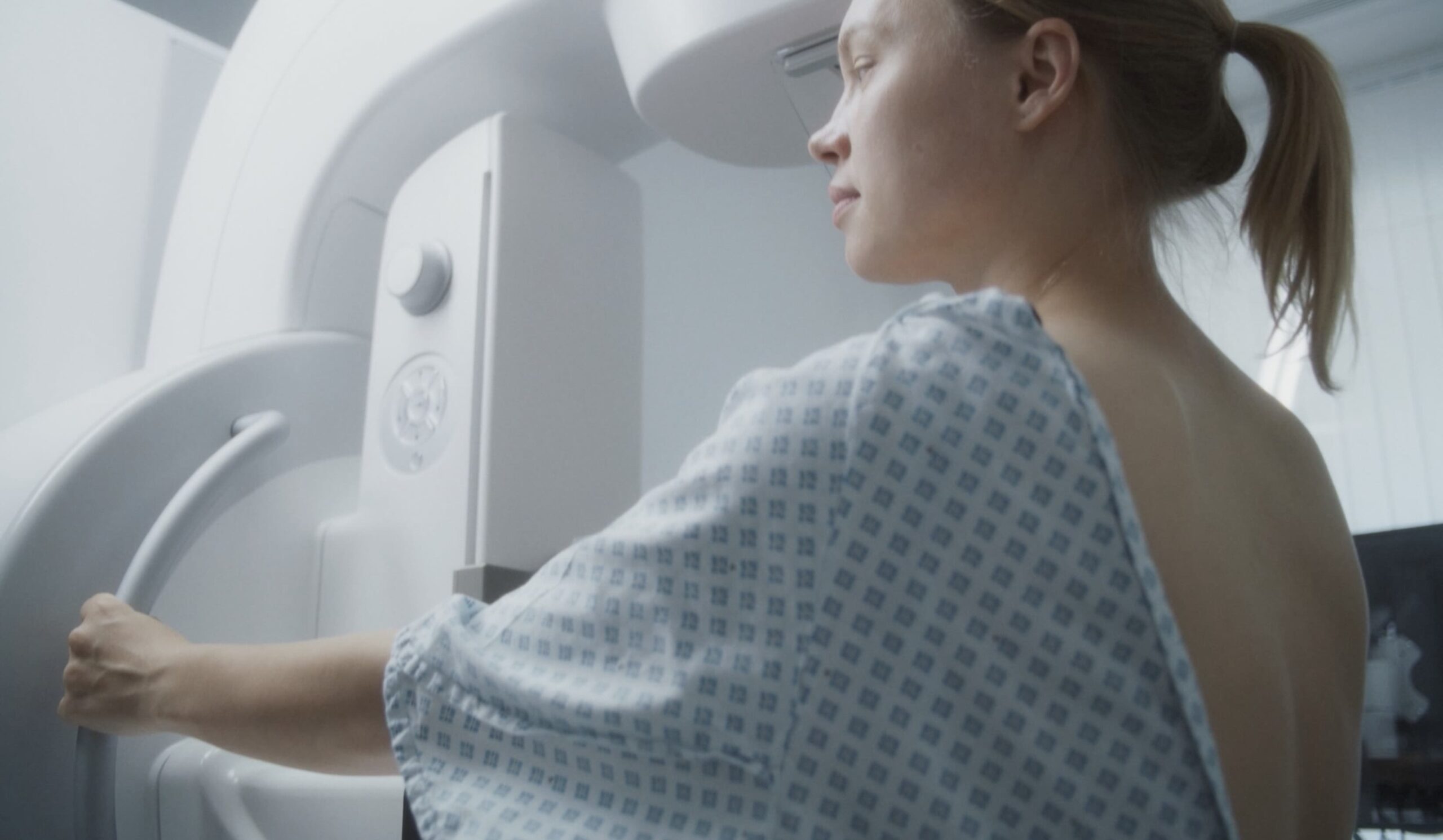
When Bill talks about how early screening could have changed his life, the conversation shifts. This stops being about courage and starts being about systems. About access. About the information arriving too late.
“If we had caught it at stage zero, everything would have been different.”
That sentence hangs there. No dramatics. Just math.
Then the episode pivots forward.
Amanda represents the other side of the timeline. She is early in her firefighting career. A mother of five. Healthy by most visible measures. Strong. Active. Careful about what she eats. She knows the risks exist, but like most people early in a demanding career, the long-term consequences feel abstract.
What stands out in her conversation with Dr. Pablo Prichard is how normal her thinking sounds. Eat well. Stay active. Do the right things and hope it balances out.
Dr. Pablo challenges that assumption gently, without fear tactics.
Looking fit does not always match what is happening inside the body.
This is where the episode stops being about firefighters and starts being about everyone.
To understand exposure, Dr. Pablo steps into the burn house himself. The heat. The claustrophobia. The stress response. His heart rate spikes almost immediately. Breathing becomes work. Decision-making happens under pressure. It is not a metaphor. It is a physical demonstration of what repeated stress does to the body over time.
Firefighters do not just face flames. They face a hostile environment that asks their bodies to override normal limits again and again.
That matters.
When Amanda steps up to the Wheel of Age, the tension is quiet but real. She expects damage. She braces for it. Instead, her biological age matches her chronological age.
Relief shows up first. Then understanding.
What she does outside the job matters. Recovery matters. Reducing exposure where possible matters. Prevention is not a single test or a single habit. It is a pattern.
Bill’s results tell a different story. His body carries the history of the job. Still, his score is not a verdict. It is a starting point.
“This is your mission now.”
That moment reframes the entire episode. Prevention is not about blame. It is about agency, even later in the story.
What This Episode Leaves You With
This episode does not offer shortcuts or miracle claims. It offers clarity.
Early detection is not optional. Waiting for symptoms is waiting too long.
Exposure adds up. At work. At home. Over decades. Reducing what you can matters more than perfection.
Defense is built daily. Sleep, movement, nutrition, and stress regulation are not lifestyle buzzwords. They are part of what keeps the body resilient.
Cancer is not always loud. Prevention often is not dramatic. But the difference between the two is measured in years, not moments.
Bill and Amanda stand on opposite ends of the same path. One shows the cost of cumulative exposure. The other shows the power of early awareness. Together, they make a case that prevention is not fear-based. It is practical. It is human. And it works.