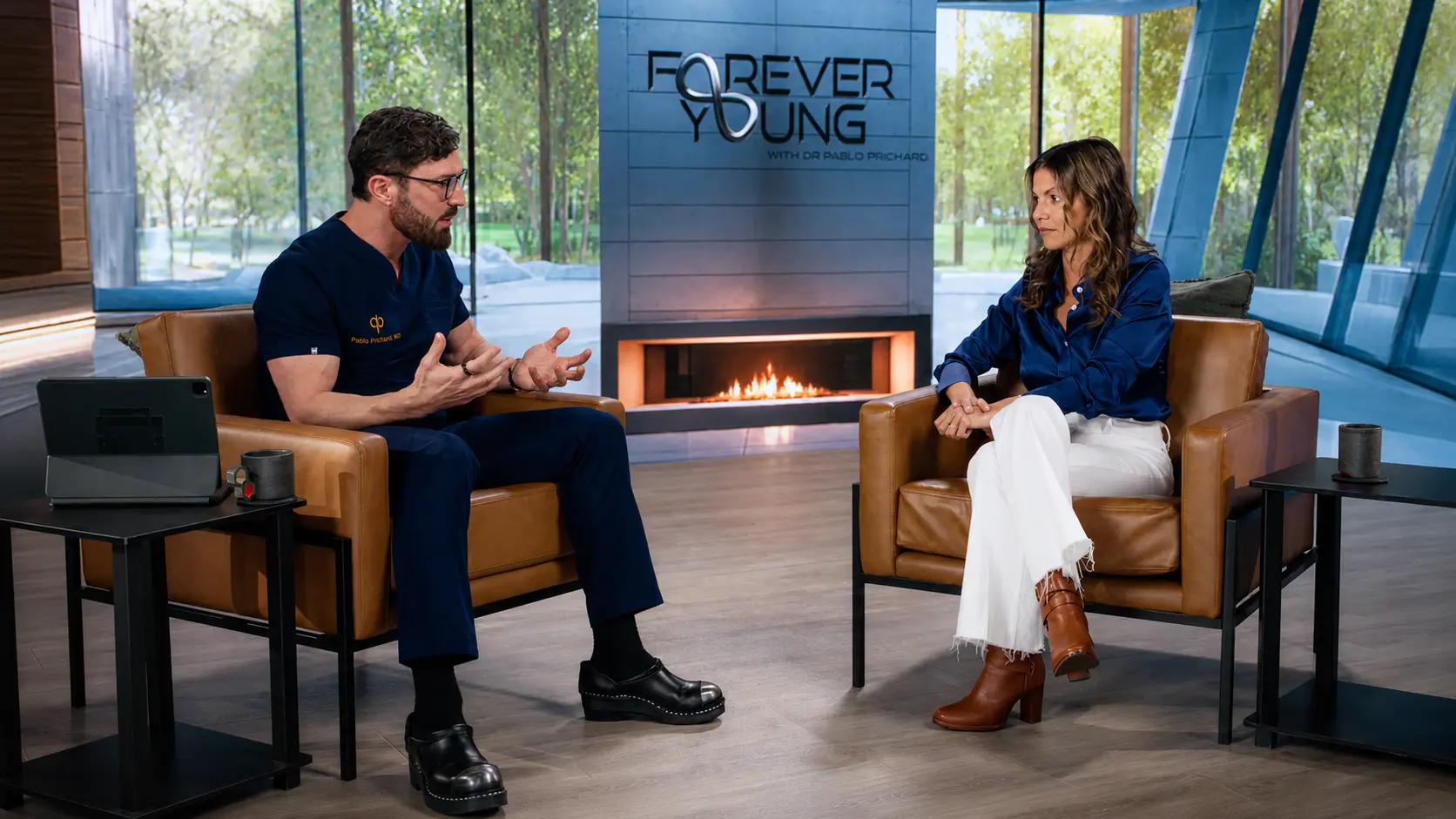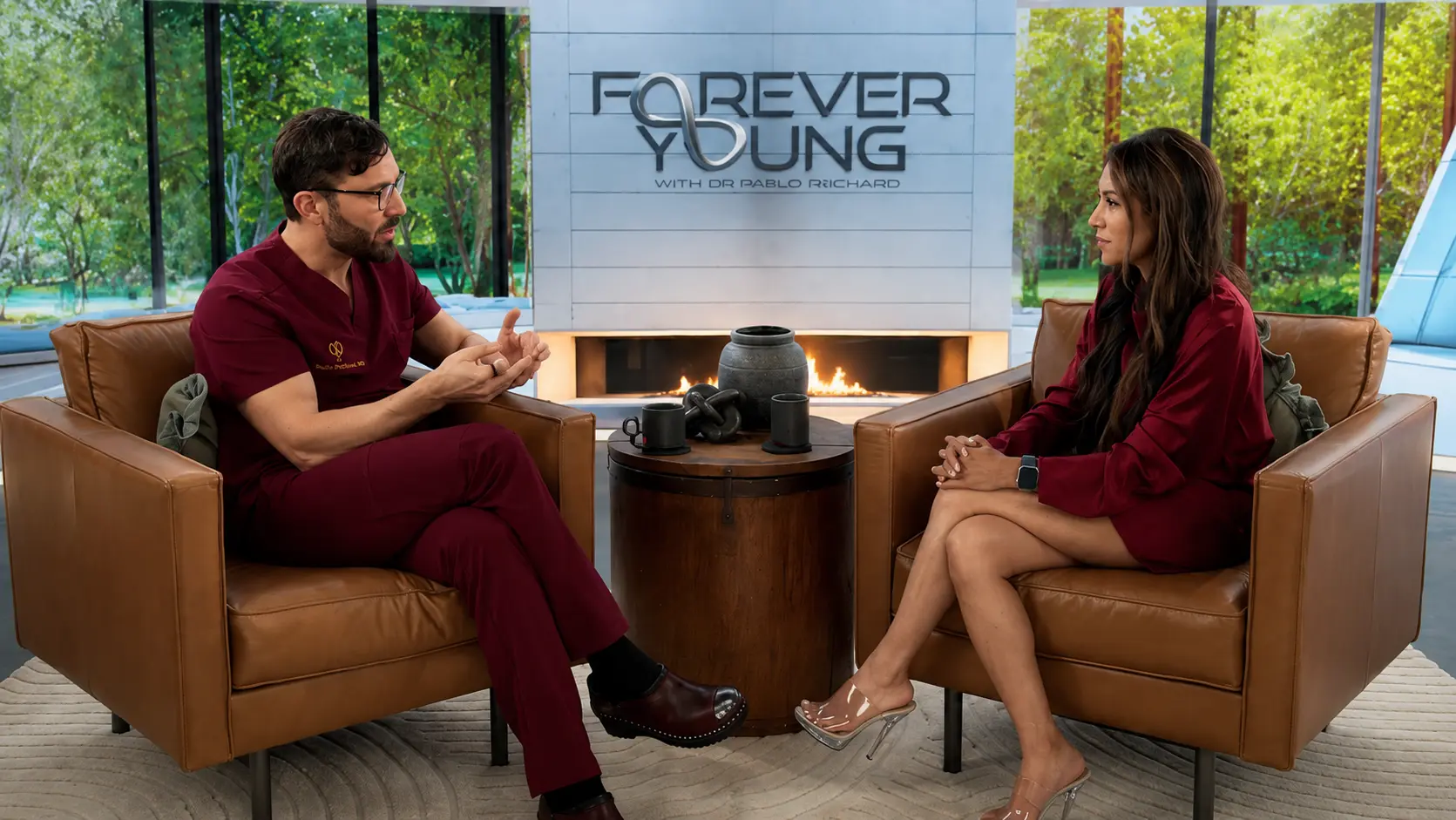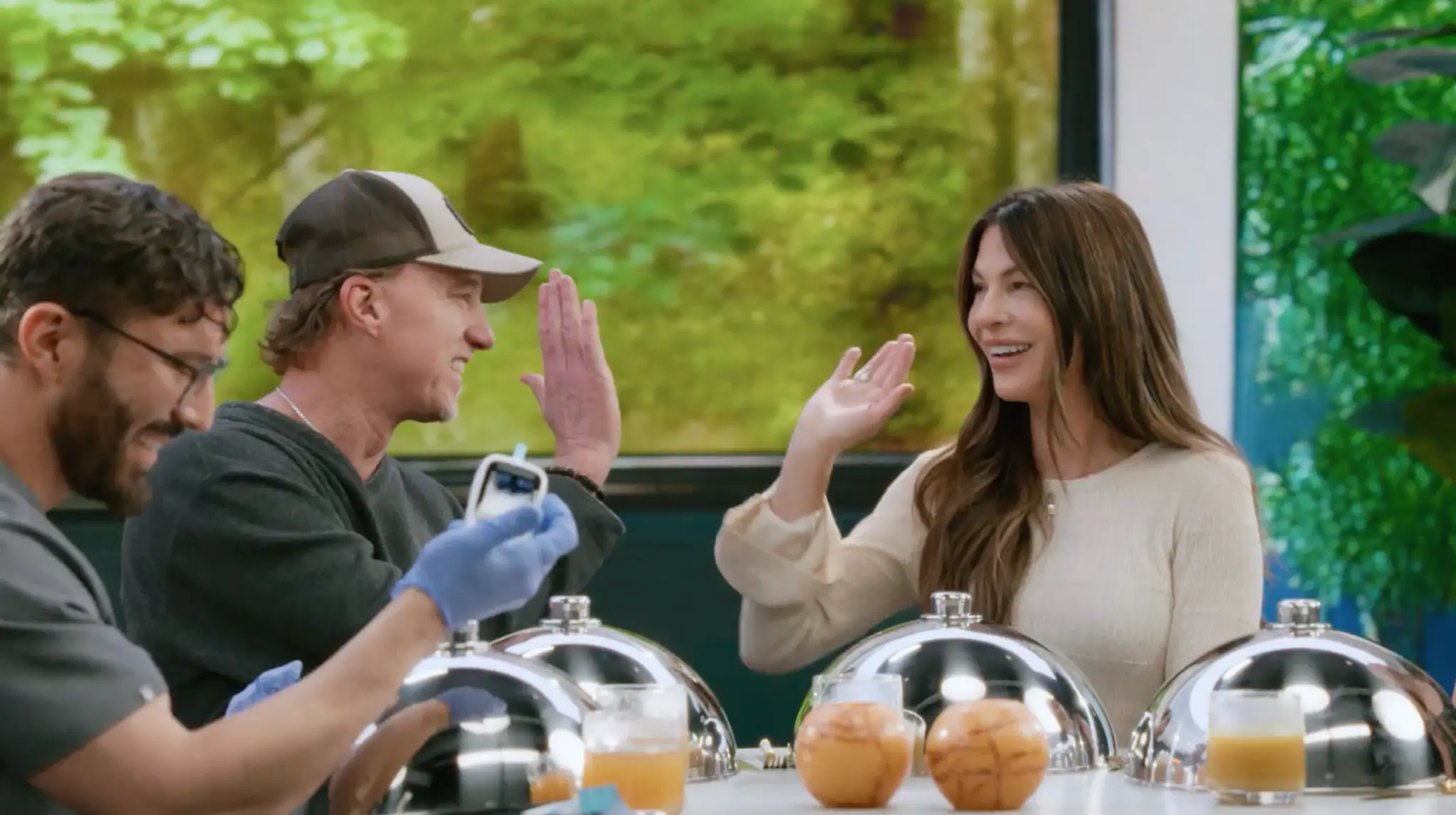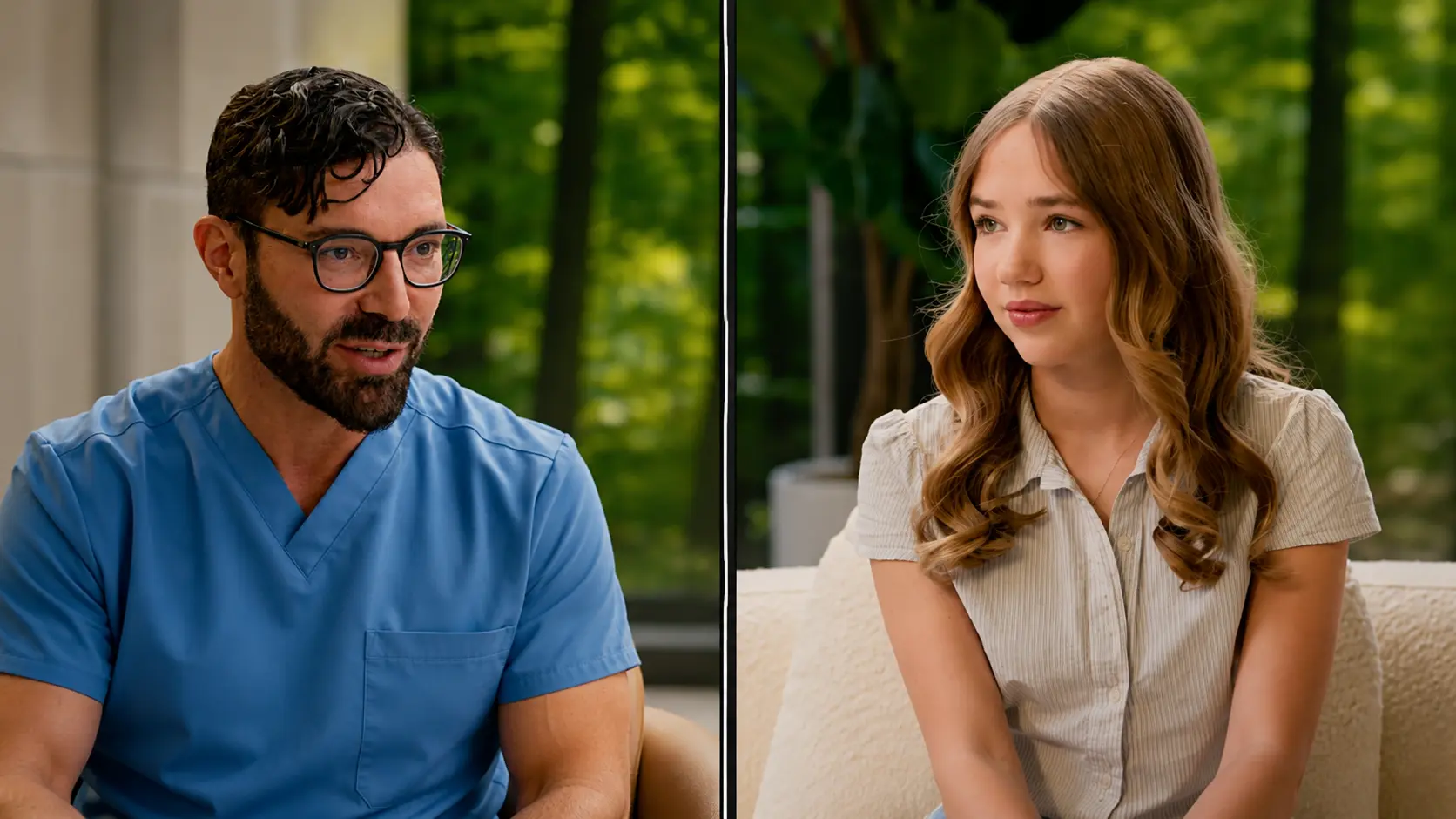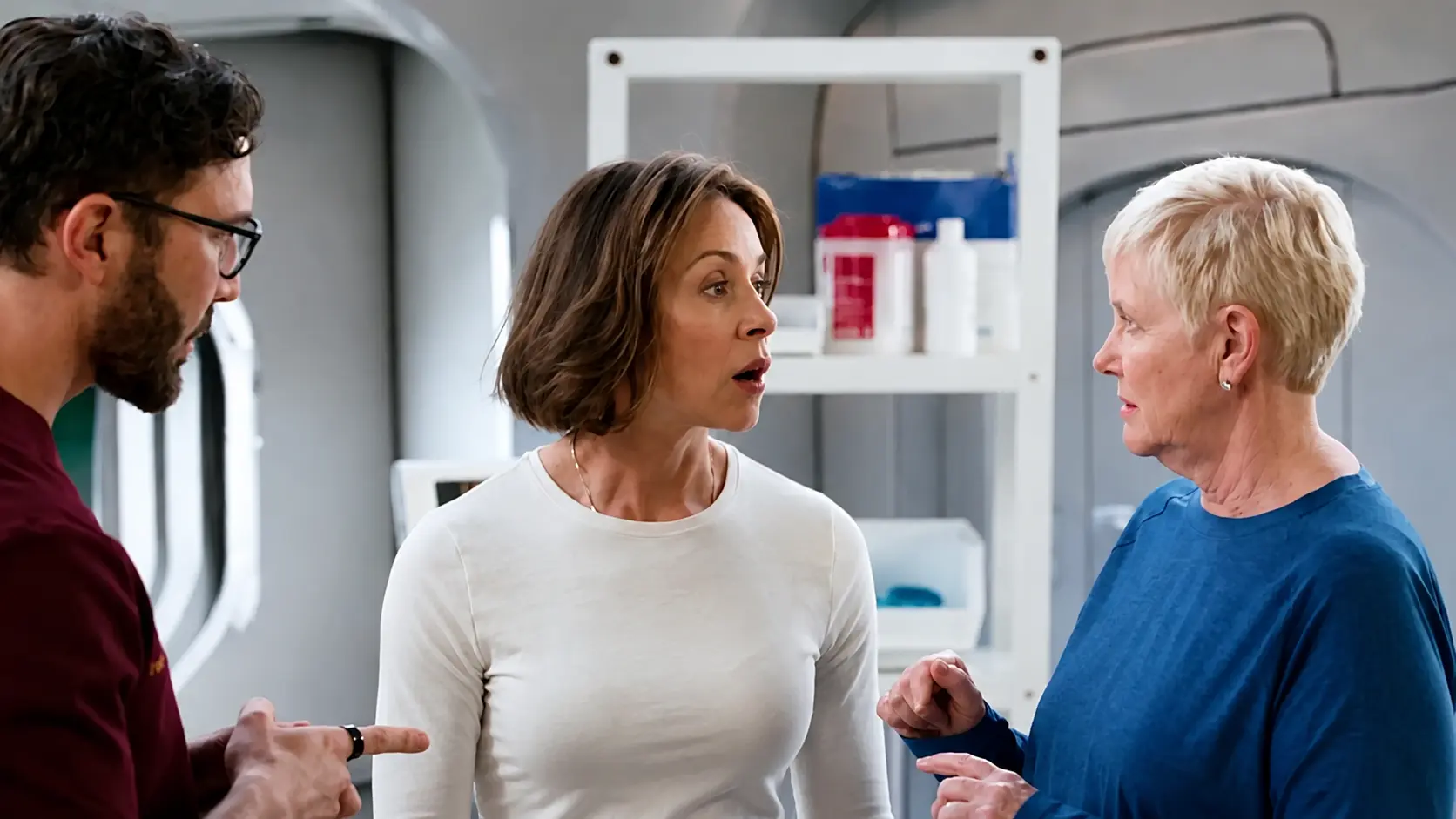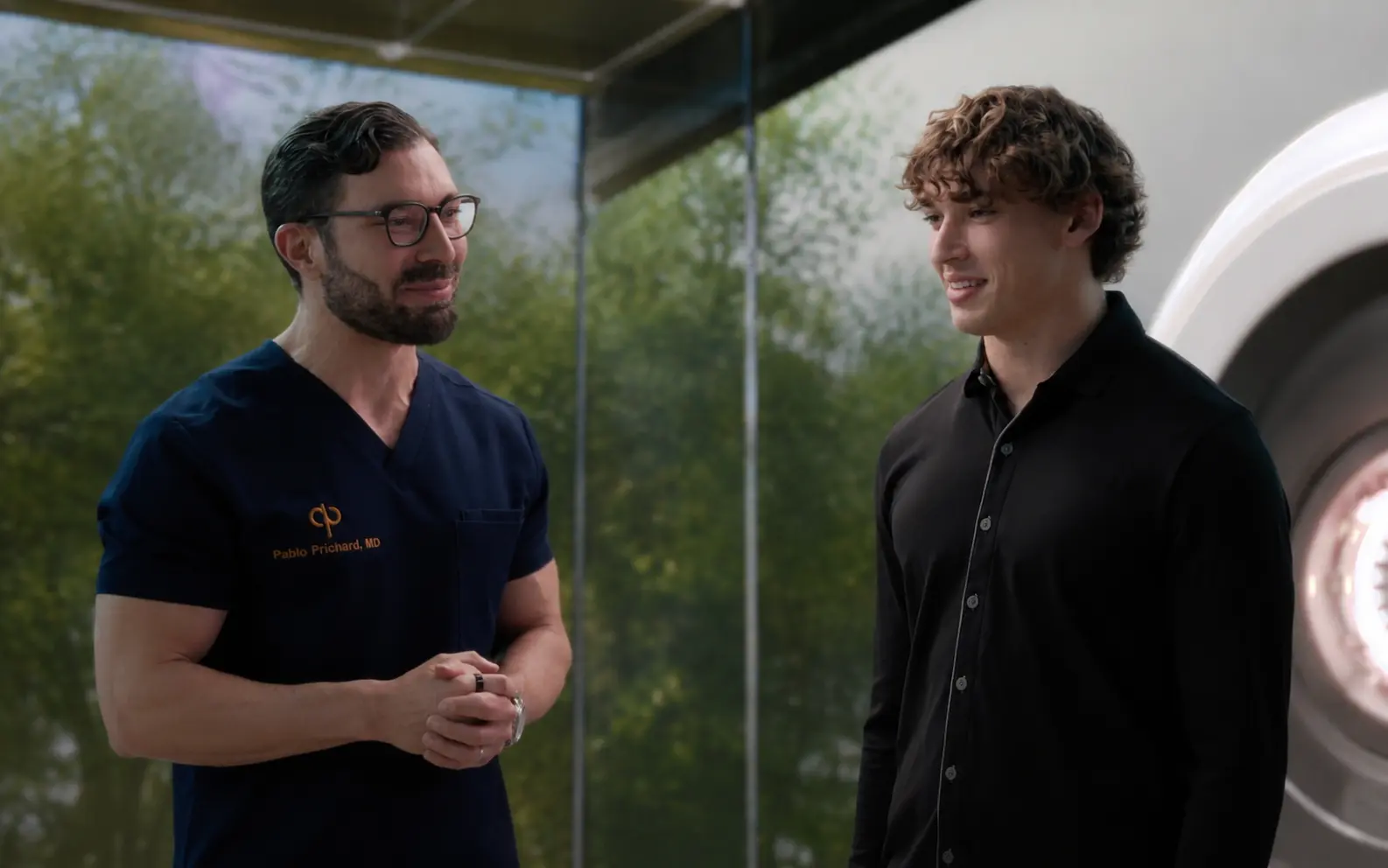
Cancer has a way of stopping time. One ring of the phone. One unexpected sentence. One truth you can’t unhear. But what we call a moment is usually the end of a long, invisible process. Cancer begins quietly, cell by cell, long before it becomes a diagnosis. Episode 7 lifts the veil on that hidden timeline and shows how early detection, smart treatment, and new technology can change the story before it ever feels urgent.
Two women step into the conversation from opposite ends of the cancer experience. Their stories are different. Their fears are different. Yet together, they reveal what it means to catch something early, confront something advanced, and shape your future with information you didn’t know you could have.
Danielle Fishel and the Diagnosis That Changed Everything
Danielle Fishel is used to cameras and scripts, not biopsy reports. But her story begins in a swim school parking lot, watching her kids splash through their lesson, when her doctor called with the news no one wants.
Ductal carcinoma in situ with microinvasion.
She braced herself.
“You’re not getting out of this,” she told her doctor. “Now you have to tell me everything.”
The saving grace? They caught it early. And early changed the trajectory.
But Danielle discovered something many patients do. The moment treatment ends, the support often fades. Radiation was behind her, yet no one explained what the next five, ten, or even twenty years might look like for her body. That’s where Dr. Pablo stepped in, filling the gaps with tools that support long-term healing: hyperbaric oxygen therapy, movement that supports lymphatic drainage, and hydration that keeps tissue repair active.
Her first time in the chamber, nerves gave way to something surprising.
“It was very calming,” she says. “I could have definitely fallen asleep.”
Her message is simple but powerful. Early detection saves lives. And talking about the experience helps other people take their own health seriously.
“Cancer is not a death sentence. The more we educate people just by sharing our experiences, the less fear there needs to be.”
Betsy Sanger and the Question That Never Leaves
Danielle’s story focuses on early discovery. Betsy Sanger’s begins with the opposite. At 36, with no family history, still nursing her ten-month-old, she felt a lump she assumed was temporary. It wasn’t.
“Never in my mind would I have ever thought that I had breast cancer,” she says. “It was a complete shock.”
Even after treatment, remission brought a different kind of weight: the quiet question that trails so many survivors. What if it comes back?
Dr. Pablo introduces her to a technology built for exactly that fear: the Haystack test. It analyzes the DNA signature from her original tumor and searches her blood for even the faintest trace—long before an image or scan would ever show something.
“It’s like taking a snapshot of the robber from the security camera and searching for that face everywhere,” he explains.
For Betsy, that level of visibility changes everything.
“That would be everything,” she says. “Just being able to know sooner.”
The Garden, the Soil, and the Clock We Didn’t Know Was Ticking
To understand cancer, Dr. Pablo uses a metaphor that hits close to home. Picture the body as a garden. Each cell knows when to grow, when to rest, and when to renew. Until one doesn’t. As we age, inflammation rises, hormones shift, the immune system tires, and the soil becomes harder to maintain. That’s when a rogue cell can take root.
But the metaphor doesn’t end there. This episode shows the other side. The part where the gardener fights back.
We can nourish the soil. Strengthen the immune system. Support DNA repair. Slow the biological conditions that allow cancer to thrive. New therapies. Lifestyle choices. Earlier screening tools. And the willingness to ask questions that most people don’t realize they’re allowed to ask.
It’s a story about cancer. But also about control. And timing. And the quiet ways our bodies communicate long before we’re listening.
To see how early discovery works, how advanced detection is changing, and how the Wheel of Age reframes healing after treatment, watch Episode 7: The Cancer Clock. It’s one of the most important conversations of the season.
Three Takeaways You Can Use Today
Dr. Pablo closes with three practical steps anyone can take to reduce risk and support breast health: simple actions with real impact.
1. Know your density
Dense breast tissue can hide tumors on a mammogram. If yours is dense, talk to your doctor about an ultrasound or MRI.
2. Consider genetic testing
If you have a family history of breast, ovarian, or prostate cancer, a gene panel could reveal risk before symptoms ever appear.
3. Lifestyle is power
Whole foods. Movement. Stress reduction. Hydration. You don’t have to be perfect, but you do need to be consistent. Earlier action means better outcomes.
What Episode 7 Shows Us About Staying Ahead
This episode isn’t just about cancer. It’s about time how cancer grows, how aging influences the process, and how new tools can help us stay ahead of the disease rather than react to it.
It’s also a reminder that:
• Early detection saves lives
• Technology is changing what’s possible
• Healing doesn’t end when treatment ends
• Sharing our stories helps others take action
If you’ve ever wondered how cancer forms, why early detection matters, or what innovative tools are emerging in preventive care, this episode is essential viewing.
Watch Episode 7 to learn how we’re reading the cancer clock and staying ahead of it.